Discovering the appropriate instrument used for transferring consignment becomes a hard assignment.The given exploration probes the realm of consignment lift answers, going over various types of lifts, from elementary scissor lifts and hydraulic platforms to more developed vertical elevation systems.Let us review factors like weight requirements, volume constraints, and monetary considerations to guide you opt for the optimal selection for your venture.In case you are dealing with sturdy pallets, oversized machinery, or usual freight, understanding your requisites is essential for a productive implementation.
Freight Carrier Alternatives for Your Enterprise
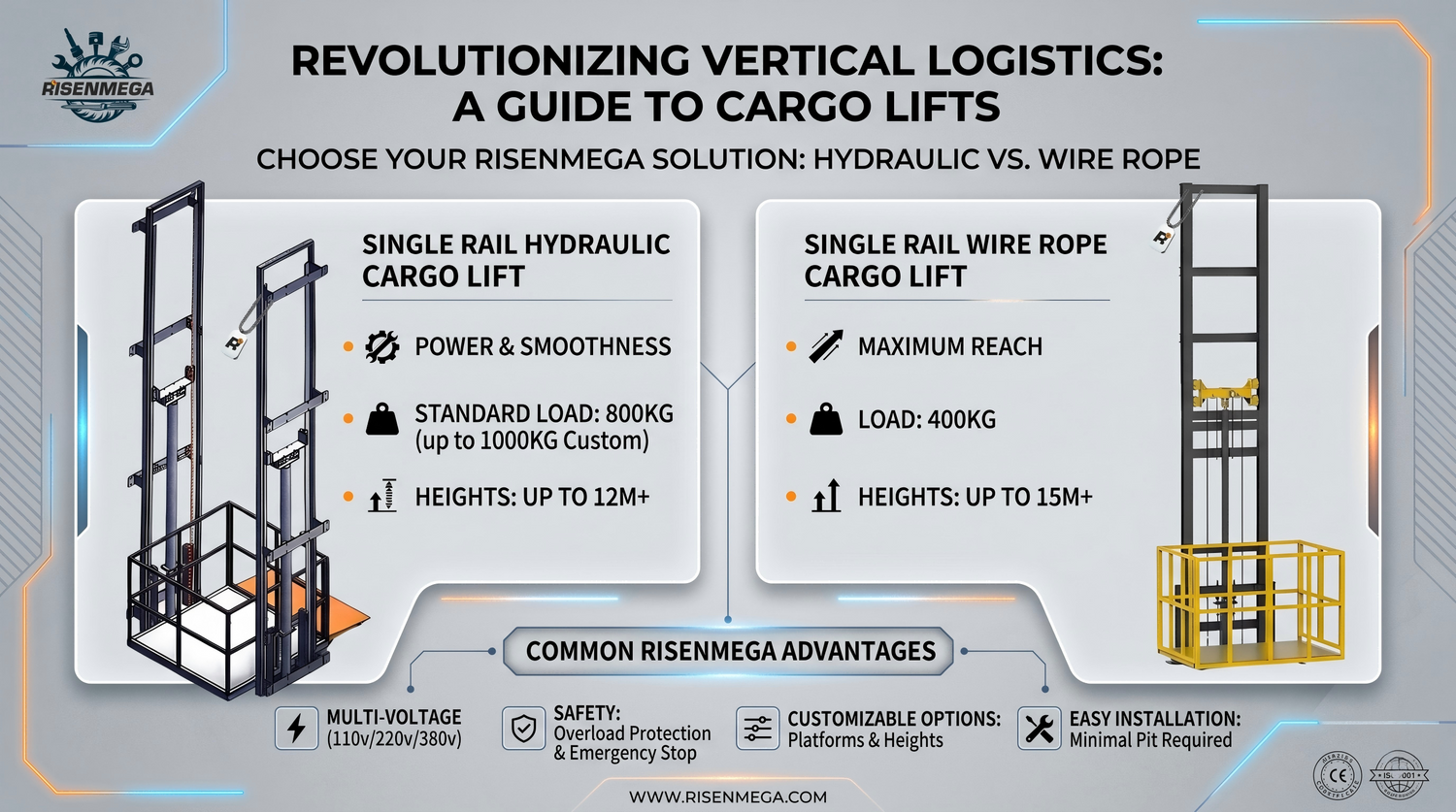
Determining the most fitting product elevator is a critical decision for any firm that manages significant numbers of merchandise.A large comprehensive spectrum of possibilities available, each with their own benefits and negatives.Think about attentively your particular needs. Conventional choices include:
- Hydraulic Elevators: Best for smaller levels and implementations.
- Cable-Driven Elevators: Offer amplified speed and weight limit for taller facilities.
- Platform Lifts: Made for carrying loads and additional massive materials.
Support Rail Goods Platforms: Productivity and Security
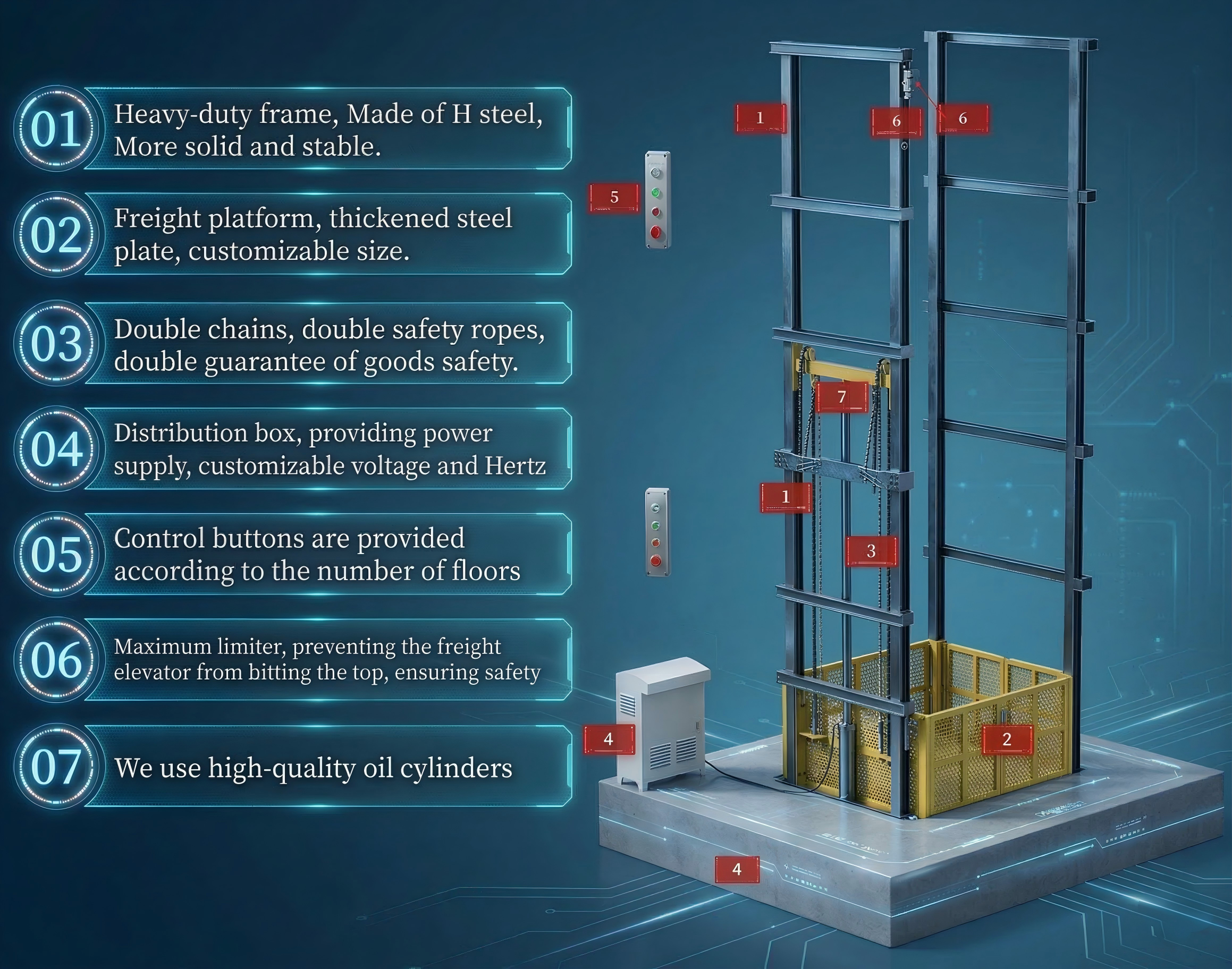
Modern guide rail consignment transporters are revolutionizing matter handling in depots, offering a significant enhancement to both performance and safety.These sorts of systems utilize a reliable railroad system to precisely transfer large loads vertically, diminishing the need for manual labor-based carrying.The included construction incorporates diverse welfare features, including protective stopping methods and solid assembly, ensuring operators and vicinal areas are defended from potential risks.In the end, these transporters provide a budget-friendly and reliable solution for corporations seeking to enhance their logistics tasks.
Picking the Fitting Merchandise Elevator for Mechanical Demands
Determining the suitable goods lifter for one’s industrial premises requires thorough examination.Many features must be reviewed, including the grade of the mandatory carriage, the heft holding power of the materials being transferred, and the usable surface. Additionally, defended aspects and obedience with pertinent protocols are essential. Skipping these concerns could bring about in shortfalls and likely perils.
Benefits of a Freight Lifter in Storage Facility Activities
Integrating a materials conveyor within a logistics hub can yield considerable perks to overall procedures. Such tools extensively reduce the need for laborious managing of sturdy items, thus shrinking the risk of team member injuries. Additionally, a shipment raiser strengthens productivity by facilitating faster conveyance of products across different different floors, ultimately contributing to streamlined transportation and minimized spending.
Understanding Different Kinds of Items Hoists
Shifting considerable materials within a plant necessitates specialized equipment, and recognizing the distinct types of goods elevators is paramount. These differ from the basic conventional passenger elevators; the ones are constructed to withstand large loads and often feature individual characteristics.It will examine some typical options. First, there are manufacturing elevators, sturdy systems designed for intensive use in production sites. Then, we have hoist elevators, which feature a stable platform to move pallets vertically. Lastly, jointed lifts offer a user-friendly and high-performing solution for conveying commodious goods.
- Production Elevators: Mainly used in workshop environments.
- Base Elevators: Perfect for palletized merchandise.
- Lifting Lifts: Present a safe lifting solution.
Economical Shipment Transporters with Track Systems
In the case of stockrooms facing tight floor space, fresh cargo platforms utilizing rail assemblies offer a beneficial choice. These contraptions curtail the area required while in spite dependably moving bulky materials. One layout normally involves a skyward traveling tray that tracks a assigned line, enabling for efficient employment of the at disposal capacity.
Maximizing Lofted Area with a Supplies Lift
During contemporary storerooms, leveraging towering room is necessary for output. A shipment lift offers a strong solution to this difficulty. These systems provide you to pile commodities more than traditional bin systems, thereby growing your accommodation. Keep in mind the profits:
- Reduced size requirements
- Streamlined material processing
- Elevated flow ability
- Conceivable reduction in staffing fees
Fitting a Parcel Lift: Important Details
Planning to introduce a cargo lift can be a considerable investment for your enterprise, but ensuring a efficient process requires careful arrangement. First, you’ll are expected to assess your unique requirements – including the mass of the materials you’ll be shifting and the range the lift will navigate. Complete site evaluation is also essential, including verifying goods elevator structural strength and open space. You’ll presumably must procure the mandatory certifications from local administrations. Finally, ensure to contract a skilled installer to validate dependable operation and alignment with municipal codes.
- Review weight thresholds.
- Ensure site availability.
- Procure the proper clearances.
- Engage a expert installer.