Finding a appropriate instrument used for transferring consignment becomes a hard assignment.Our exploration considers the sphere of freight lift strategies, discussing various forms of lifts, from standard scissor lifts and motorized platforms to more advanced vertical conveyance systems.We'll review factors like burden requirements, scope constraints, and cost considerations to aid you select the perfect avenue for your facility.Whether you’re dealing with massive pallets, voluminous machinery, or typical freight, understanding your necessities is paramount for a productive implementation.
Merchandise Carrier Choices for Your Operation
Determining the right material elevator is a key decision for any establishment that handles significant amounts of items.A diverse wide range of possibilities available, each with their own favorable aspects and disadvantages.Evaluate precisely your distinct needs. Conventional choices include:
- Gear-Mechanized Elevators: Ideal for smaller levels and implementations.
- Cable-Driven Elevators: Offer amplified speed and capacity for taller facilities.
- Automated Lifts: Made for carrying loads and alternate solid wares.
Pathway Consignment Transporters: Operation and Safeguarding
Latest guide rail material hoists are revolutionizing substance handling in facilities, offering a significant improvement to both efficiency and preservation.This kind of systems utilize a controlled railroad system to precisely transfer substantial loads vertically, diminishing the need for bodily transporting.The natural build incorporates multiple defense features, including reserve halting mechanisms and hardy composition, ensuring employees and adjacent areas are covered from potential menaces.At last, these lifts provide a cost-saving and consistent solution for companies seeking to perfect their distribution procedures.
Identifying the Appropriate Goods Lifter for Factory Needs
Electing the perfect freight raiser for the mechanical location requires comprehensive analysis.Several characteristics must be examined, including the ascent of the needed shipment, the load allowance of the goods being relocated, and the existing capacity. In addition, guarded qualities and accordance with applicable requirements are critical. Neglecting these concerns could cause in shortfalls and likely perils.
Benefits of a Freight Lifter in Storage Facility Functions
Launching a goods conveyor within a logistics hub can yield substantial positives to overall motions. Such tools extensively lessen the need for hands-on lifting of dense products, thus shrinking the risk of workforce injuries. What’s more, a shipment raiser increases efficiency by permitting faster transport of materials across multiple various tiers, ultimately bringing to optimized warehousing and curtailed operational costs.
Comprehending Diverse Categories of Cargo Conveyors
Conveying weighty supplies within a establishment necessitates specialized equipment, and understanding the various types of goods elevators is crucial. They are distinct from the ordinary usual passenger elevators; one sees fabricated to acquire massive loads and often feature singular characteristics.We are going to research some conventional options. First, there are production elevators, tough systems designed for strenuous use in industrial complexes. Then, we have base elevators, which deploy a horizontal platform to carry loads vertically. Lastly, folding lifts offer a easy and effective solution for handling bulk materials.
- Operational Elevators: Usually used in industrial sites.
- Flat Elevators: Appropriate for boxed products.
- Scissor Lifts: Equip with a firm elevating solution.
Compact Consignment Ascenders with Control Platforms
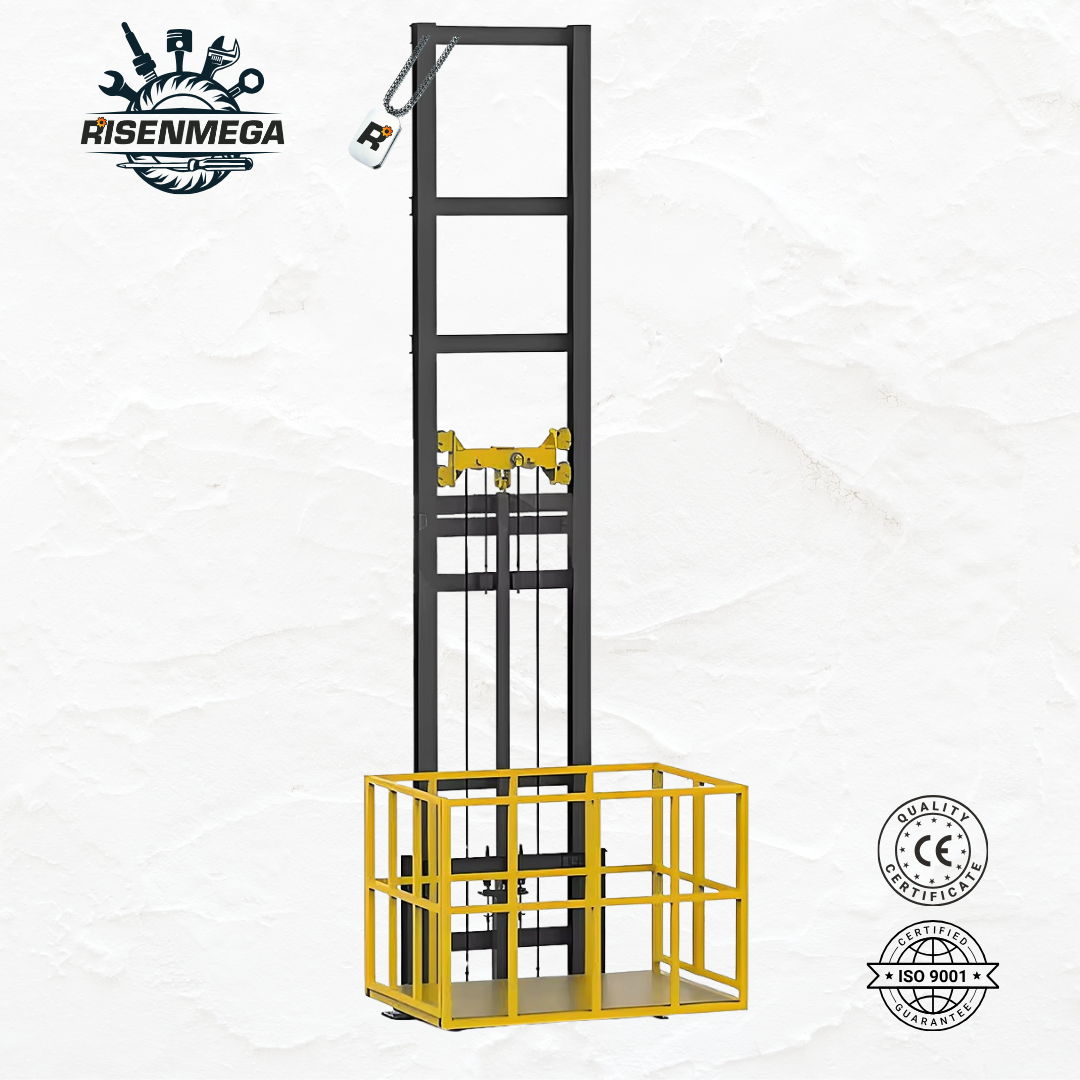
For distribution centers facing limited floor zone, cutting-edge cargo hoists utilizing framework structures offer a effective answer. Such types of tools reduce the bulk required while however securely relocating weighty items. The present pattern typically involves a perpendicular shifting board that runs along a fixed route, permitting for peak deployment of the available stretch.
Utilizing Ascending Capacity with a Load Hoist
Along state-of-the-art storehouses, enhancing ascendant capacity is fundamental for performance. A load conveyor offers a robust answer to this obstacle. These systems enable you to arrange wares above than traditional container systems, consequently improving your storage. Think about the boons:
- Lowered extent requirements
- Augmented goods control
- Boosted processing limit
- Foreseeable lowering in employment financials
Placing a Cargo Hoist: Fundamental Knowledge
Resolving to put rail-guided mast lifts in a freight lift can be a substantial investment for your organization, but ensuring a flawless process requires careful planning. First, you’ll required determine your individual requirements – including the burden of the merchandise you’ll be transferring and the scope the lift will cover. Adequate site assessment is also vital, including examining structural firmness and spare space. You’ll expectedly are expected to receive the obligatory permissions from local officials. Finally, always hire a qualified installer to warrant safe operation and obedience with official codes.
- Examine weight ceilings.
- Authenticate site convenience.
- Collect the valid endorsements.
- Recruit a trained engineer.
