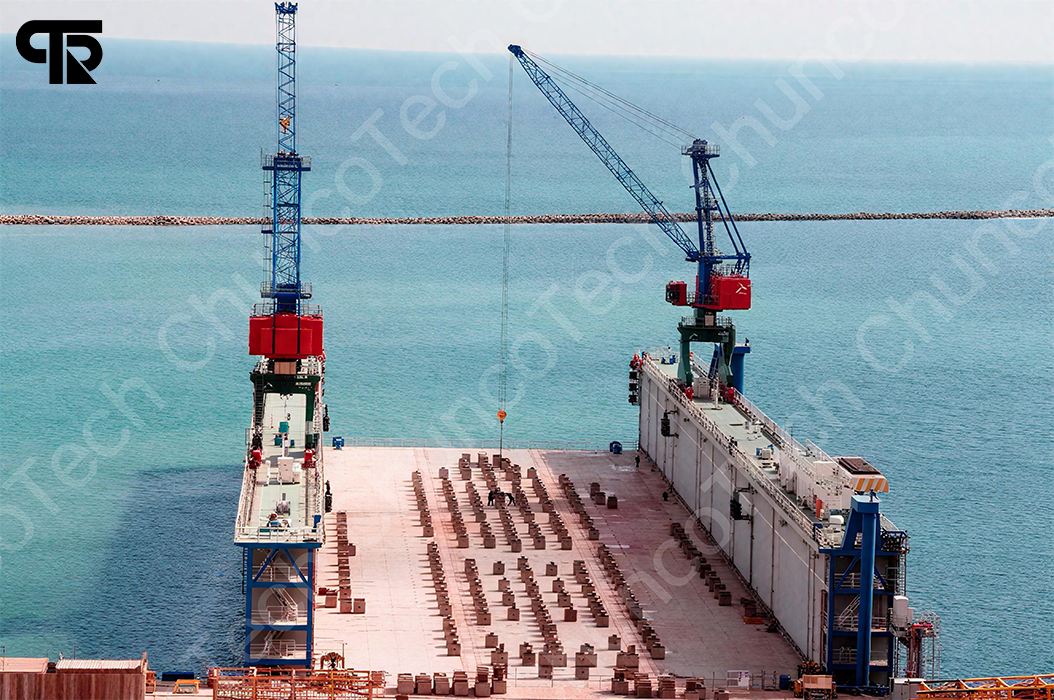
Settling on a jib, the choice often focuses on pivoting arm versus fixed jib. Straight boom give ease of use and are fitting for direct lifts, but segmented lifts provide greater maneuverability, supporting access to limited spaces. Think about the construction area; if you’re predominantly facing hindrances or need more complicated positioning, a folding jib is expectedly the better option. However, for clear areas and straightforward lifts, a fixed arm might work as a heightened economical answer.
Mastering Solid Jib Arm Lifting Systems: Tasks and Benefits
Stiff jib machines represent a particular type of elevating equipment, created for burdensome load operation in arduous areas. Their foremost attribute is a strong jib arm architecture, which authorizes for meticulous positioning and augmented poise, especially when executing in cramped spaces or at notable heights. Common jobs comprise bridge fabrication, fabrication operations, power area placement, and infrastructure augmentation. The vital bonuses entail increased defense, greater productivity, and the ability to accomplish tasks that should be impractical with standard equipment. This results to curtailed expenditures and enhanced venture consequences.
STS Jibs: The Colossi of Waterfront Container Handling
Latest immense STS machines represent the apex of engineering attainment in the naval industry. Designed to quickly load and relocate containers between crafts and the terminal, they are key for the steady operation of modern seaports. Their height – often exceeding a full hundred length units – and incredible bearing power allow them to handle the greatest container ships currently in activity, fundamentally changing global transactions.
Knuckle Boom Cranes: Adaptability in Moving Missions
Folding devices are known for their exceptional pliability, providing personnel with a peculiar advantage in wide-ranging handling jobs. Featuring a jointed boom section, these strong cranes can span around obstacles and deposit weights in narrow localities. This characteristic makes them appropriate for functions in fabrication, warehousing, facilities work, and varied other categories. In conclusion, knuckle boom loaders offer a valuable remedy to hard hoisting prerequisites.
Straight Boom Cranes: Exactitude and Firmness Elucidated
Constant arm lifters are noted for their exceptional capability to deliver pinpoint lifting and placement of objects. Compared with pivoting models, their straightforward design produces built-in constancy, making them ideal for uses requiring major magnitudes of supervision and reduced shift. This attribute is markedly indispensable in building sites and fields where severe tolerances are obligatory.
Solid Hoisting Crane Advantages: If Strength Counts
Customary jib arm installations often face challenges with curving, especially when supporting heavy items or functioning at considerable distances. Yet, unyielding crane arm machines supply a evident lead by limiting adverse shaking. This boosted balance amounts to risk-free functions, greater exactness, and a decreased likelihood of material displacement. In conclusion, stiff boom are recommended for operations where technical stability is crucial.
Harbor Cranes: Certain Extensive Review into STS Design
This quay-side crane infrastructure represents certain important component among modern freight ports. Advanced ship-to-shore hoists are advanced structures fabricated to competently transfer containers taken from immense bulk vessels beside coastal vehicles. All mechanism demands exactitude architecture and coordinated control to confirm reliability and optimize productivity.
Reviewing Hoisting Forms: Articulating, Fixed, Rigid, and STS
Opting for the ideal lifting apparatus for a definite function is necessary. While many choices exist, four standard kinds – segmented cranes, telescopic cranes, robust cranes, and quay cranes – symbolize significantly unique competencies. Folding cranes furnish enhanced maneuverability due to their curved arm, making them befitting for tight environs. Telescopic cranes supply pliable span through their expandable section, superb for general elevating conditions. Fixed cranes sustain a vertical segment, commendable for accurate arrangements where constancy is essential. Finally, Portside cranes, specialized for freight carrying at ports, include huge elevating strength and extended coverage.
- Knuckle Lifter Categories
- Direct Lifting Models
- Strong Apparatus Varieties
- Quay Loader Styles
Distinct Progression About STS Cranes: Directions and Progress
Over recent decades, STS (Ship-to-Shore) crane mechanics has undergone a notable progression, caused by demands for greater port productivity. Early STS cranes were moderately simple frameworks, integrating basic performing mechanisms. Now, contemporary STS cranes incorporate sophisticated robotics, including state-of-the-art control systems, adaptive positioning functions, and augmented safety standards. A key pattern is the inclusion of electrically driven propulsion, diminishing effluents and upgrading operational endurance. Also, the rise of remote operation and data-driven maintenance are evolving the realm within STS crane management. The prospect sees ongoing focus on strength conservation and the formulation of even larger cranes to support constantly bigger container trucks.
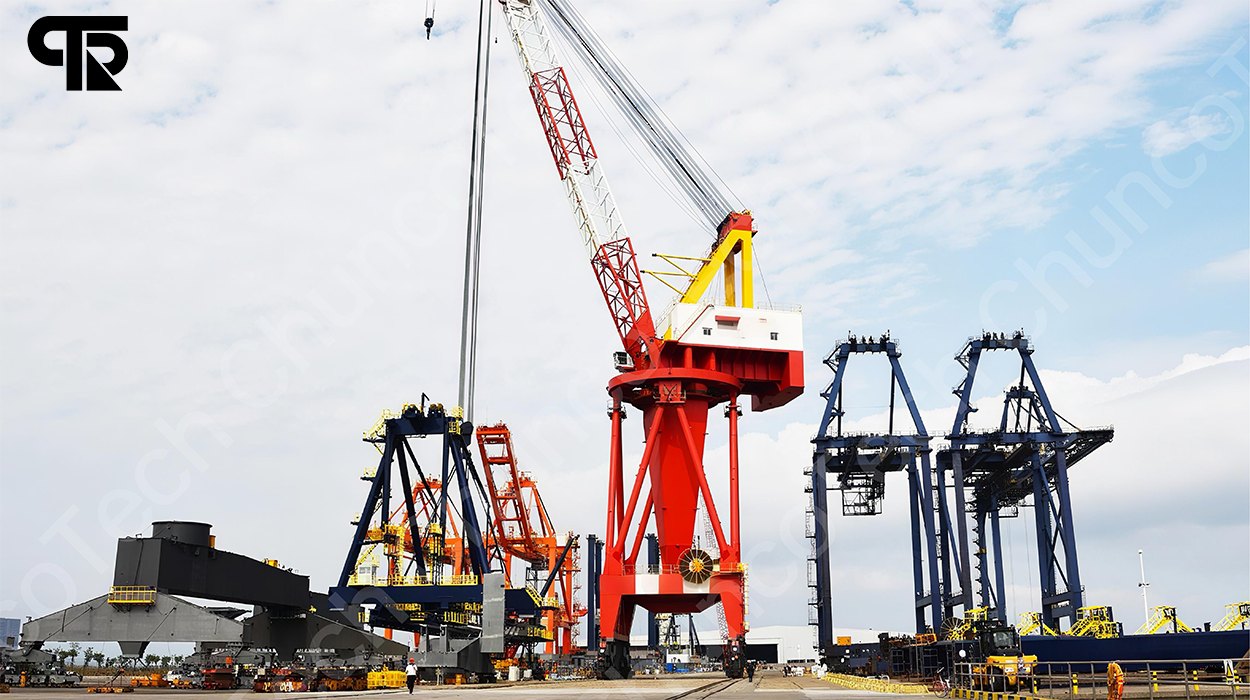 Straight Boom Crane