
The Hem Is the Tell: Why Wide-Leg Track Pants Break Down in Bulk Production
Wide-leg track pants look effortless, but bulk production often exposes weak pattern work, unstable fabric behavior, poor hem control, and loose finishing standards. This article explains why hem shape collapses, how streetwear manufacturers control it, and what procurement teams should verify before approving wide-leg track pants for production.
A wide-leg track pant can look perfect in a sample room and still lose its entire attitude once it moves into bulk production. The sketch says relaxed. The sample says strong. But the shipment arrives with hems that twist, flare unevenly, collapse inward, or hang like tired pajama pants instead of structured streetwear bottoms.
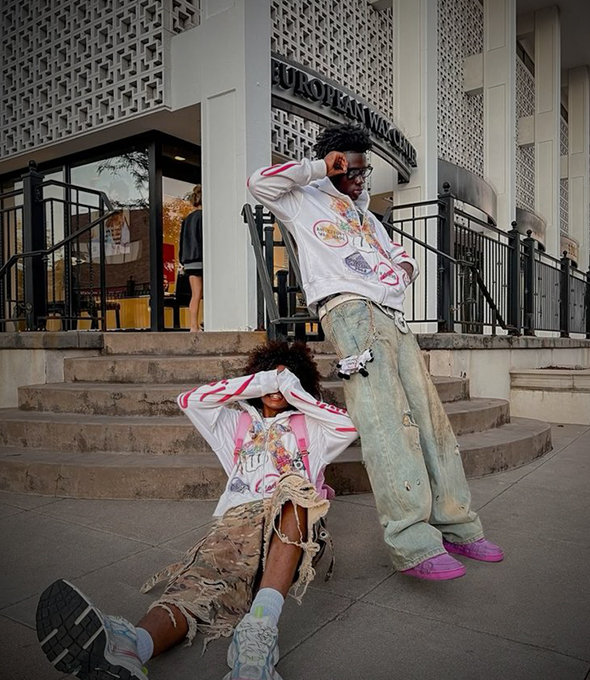
That problem is not cosmetic. In modern streetwear, the hem is part of the silhouette language. It decides how the pant breaks over sneakers, how much volume the leg carries, how the garment photographs, and whether the full look feels intentional or unfinished. For established streetwear brands, independent brands with real traction, and product development teams, hem shape is no longer a minor finishing detail. It is a production checkpoint.
Why do wide-leg track pants lose hem shape in bulk production?
Wide-leg track pants lose hem shape because bulk production changes the balance between fabric weight, leg volume, sewing tension, shrinkage, and finishing pressure. A sample may hang correctly under controlled conditions, but hundreds or thousands of pieces expose pattern weakness, unstable fabric recovery, uneven cutting, and inconsistent seam handling.
The first issue is usually the pattern. A wide-leg track pant is not just a jogger with a bigger leg opening. It needs a specific relationship between rise, hip width, thigh room, knee position, inseam, outseam, and hem circumference. If that relationship is off, the pant may look wide on a flat table but weak on the body.
The second issue is fabric behavior. Track pants can be made from nylon, polyester blends, cotton twill, French terry, fleece, or technical woven fabrics. Each one holds shape differently. A crisp nylon fabric may hold the leg line but show seam puckering. A soft French terry may feel premium but collapse at the hem if the GSM, knitting density, or finishing process is not planned correctly.
The third issue is production pressure. During bulk cutting, sewing, washing, pressing, and packing, the garment is handled repeatedly. A hem that looks controlled on one development sample may distort when fabric is spread in layers, cut under tension, stitched too tightly, steamed unevenly, or packed without proper shape recovery.
Procurement teams should not approve wide-leg track pants only by checking waist, inseam, and leg opening measurements. They should check how the hem behaves when worn, washed, steamed, folded, packed, and re-opened. The real test is not whether the hem measures correctly. It is whether the hem still looks like the design after production reality hits it.
Why is hem shape more important in streetwear than in basic athletic pants?
Hem shape matters more in streetwear because wide-leg track pants are judged as silhouette pieces, not just comfort garments. The hem controls the break over sneakers, the visual weight of the lower body, and the attitude of the full outfit. If it collapses, the product loses its streetwear identity.
Basic athletic pants are usually built around movement, comfort, and simple function. Streetwear track pants are different. They often carry references from 90s sportswear, UK terrace style, hip-hop styling, skate silhouettes, Y2K proportions, or fashion-led tracksuit dressing. That means the garment has to communicate a mood, not just cover the leg.
A wide hem creates width, flow, and stance. It changes how the pant stacks, floats, or breaks around footwear. When done well, it makes a hoodie look heavier, a track jacket look sharper, and a full set feel styled rather than accidental. When done poorly, the whole outfit loses balance.
This is why a streetwear clothing manufacturer has to treat the hem as part of the pattern system. The hem width must match the fabric body. The inseam must match the intended break. The outseam curve must support the leg shape. The finishing method must protect the intended volume.
A common bulk failure happens when the hem opening is technically wide but visually dead. The measurement is there, but the shape is not. This usually means the development team focused on numbers without testing drape. Strong streetwear production requires both: measurements for control and visual judgment for product language.
How does fabric choice decide whether the hem holds or collapses?
Fabric choice decides hem behavior because weight, density, recovery, surface finish, and drape all affect how the leg opening sits. A fabric that is too soft can fold inward; a fabric that is too stiff can flare awkwardly; a fabric with poor recovery can lose shape after washing or packing.
For wide-leg track pants, fabric is not just a material decision. It is a silhouette decision. A 260gsm French terry will move differently from a 400gsm fleece. A lightweight nylon taffeta will react differently from a dense cotton twill. A brushed fabric may feel better on the body but may soften too much after finishing. A synthetic blend may hold shape but create unwanted shine or noise if the brand wants a vintage sportswear mood.
This is where fabric sourcing becomes technical. Product teams should ask for fabric weight, composition, shrinkage data, stretch and recovery behavior, pilling performance, and post-wash hand feel. For wide-leg pants, the brand also needs to know whether the fabric can support the hem without extra structure.
Some wide-leg track pants need a cleaner dropped hem. Others need a soft pooled break. Some need a dry retro hand. Others need a fluid, swishy movement. None of these outcomes can be selected only from a swatch card. They have to be tested through a full garment sample.
If the fabric is too loose, the hem may ripple. If the fabric is too dense, it may push outward and lose natural flow. If the fabric shrinks unevenly, one side of the hem can sit higher than the other. If the fabric is over-steamed, the leg can lose its original line. That is why experienced streetwear manufacturers test fabric behavior before locking bulk production, not after problems appear.
Why does pattern development matter more than simply widening the leg?
Pattern development matters because wide-leg shape depends on proportion, not only width. The rise, seat, thigh, knee, inseam, outseam, and hem must work together. If a manufacturer simply enlarges a basic pant block, the hem often twists, drags, collapses, or looks disconnected from the upper body.
A wide-leg track pant needs engineered volume. The pattern must decide where the width begins, how the leg falls, and how the pant behaves during movement. If the width starts too high, the pant may balloon around the hip. If the width starts too low, the pant may look like a regular jogger with a loose bottom. If the knee point is wrong, the leg line can break awkwardly when the wearer walks.
The hem is the end result of the entire pattern, not a separate detail. A poor rise can change the hang of the leg. A tight seat can pull the outseam backward. Uneven front and back balance can make the hem rotate. Incorrect grainline can make the pant twist after washing.
This is why tech pack review matters before sampling. Procurement teams should make sure the manufacturer reviews not only the measurement chart, but also the intended silhouette, footwear styling, fabric type, waistband construction, pocket placement, and finishing process.
A strong pre-production sample should show how the leg behaves across sizes. This is especially important for wide-leg pants because grading can easily distort the original proportion. If the base size looks good but larger sizes become too bulky or smaller sizes lose the intended width, the pattern has not been fully developed. Real sample-to-bulk alignment starts at pattern development, not final inspection.
How do shrinkage and finishing change hem shape after sample approval?
Shrinkage and finishing change hem shape because fabric continues to react after cutting and sewing. Washing, garment dyeing, enzyme finishing, steaming, and pressing can shorten the inseam, soften the fabric, twist seams, or change the way the leg opening falls. That can make an approved sample unreliable without testing.
A wide-leg track pant may go through several finishing steps. Even when it is not heavily washed, it may still be enzyme washed, garment dyed, softened, pressed, or steamed. Each step can change the hem.
Enzyme wash can create a softer, more worn-in hand feel. That matters because streetwear brands often want track pants to feel less factory-fresh and more lived-in. But enzyme wash also changes fabric surface and handle. If the fabric softens too much, the hem can lose structure. The procurement team should request wash trials and compare pre-wash and post-wash measurements before bulk approval.
Garment dye can create deeper color character and a more mature tone. But it can also create shade variation, shrinkage, and seam torque. For wide-leg pants, that matters because even slight twisting can become obvious at the hem. Brands should verify color fastness, shrinkage tolerance, and leg symmetry after dyeing.
Acid wash or stone wash can add vintage character when the pant direction calls for stronger surface treatment. But these processes are risky on wide-leg bottoms because they affect hand feel, shade depth, and seam behavior. The brand should ask whether the manufacturer has tested the exact fabric, not just the wash name. A wash effect that works on a hoodie may not behave the same way on a wide-leg pant.
Finishing is where many weak production systems lose control. The sample looks approved, but bulk pieces shrink differently because the fabric lot changed, wash time shifted, temperature control varied, or finishing workers pressed the legs inconsistently. For this category, approval should include a post-finish reference sample, not only a raw sewing sample.
What sewing problems make wide-leg hems twist, wave, or collapse?
Wide-leg hems often fail because of sewing tension, uneven seam allowance, poor feed control, incorrect needle and thread setup, weak pressing, or inconsistent handling between operators. The wider the opening, the more visible these errors become, especially when the fabric is lightweight, slippery, stretchy, or heavily finished.
Sewing tolerance is not glamorous, but it decides whether the hem survives production. When operators sew wide-leg openings too tightly, the hem can wave. When the fabric is fed unevenly, one side can stretch while the other stays stable. When seam allowance is inconsistent, the hem circumference may measure differently across pieces.
On knit track pants, stretch recovery becomes a major issue. If the hem is stitched with the wrong tension or stitch type, it may flare, tunnel, or curl after washing. On woven track pants, seam puckering can appear when thread tension is too high or when the fabric is too crisp for the selected construction.
A wide hem also exposes symmetry problems. If the inseam and outseam are not balanced, the pant may rotate slightly around the leg. The customer may not describe it as “seam torque,” but they will feel that the pant hangs wrong.
The solution is not simply asking the sewing line to be more careful. Manufacturers need production checkpoints: correct needle selection, thread matching, seam allowance control, hem folding guides, inline measurement checks, and pressed sample references at the line level. For wide-leg track pants, the sewing team must know what the hem is supposed to look like, not only how wide it is supposed to be.
How do graphics, embroidery, appliqué, and trims affect hem control?
Graphics and decoration can affect hem control because they add weight, stiffness, tension, or surface imbalance. Screen print, DTG, embroidery, appliqué, rhinestone work, drawcords, zippers, and side stripes can all change how the pant hangs. Decoration should be tested with the actual fabric and full garment shape.
Streetwear track pants often include side stripes, printed logos, embroidery near the thigh, appliqué patches, rhinestone details, drawcords, snaps, zippers, or contrast panels. These details may seem separate from hem shape, but they affect balance.
Screen print can stiffen the fabric in printed areas. If a large side graphic extends toward the lower leg, it may change how the leg folds. The brand should test whether the ink hand feel is compatible with the drape of the pant.
DTG works differently. It can preserve a softer surface on certain fabrics, but color strength and wash durability must be checked. If the print fades unevenly after wash testing, the pant may look weaker even if the silhouette is right.
Embroidery adds density and weight. On track pants, heavy embroidery near the lower leg can pull the fabric and alter how the hem hangs. Procurement teams should check embroidery backing, thread tension, placement, and post-wash puckering.
Appliqué can create strong streetwear texture, especially on retro sports-inspired bottoms. But appliqué adds layered fabric, stitching weight, and edge behavior. If it is not tested through washing and movement, it can distort the panel it sits on.
Rhinestone work can elevate a track pant when used with discipline, but it adds local stiffness and requires bonding strength tests. Brands should verify adhesion after wash, rub, and flex testing.
Trims also matter. A zipper at the hem changes the leg opening. A snap closure changes weight. A drawcord changes tension. A contrast stripe changes seam behavior. Every detail must be planned as part of the pant structure, not added after the main pattern is done.
What should procurement teams verify before approving bulk production?
Procurement teams should verify the approved sample, fabric test results, shrinkage data, hem measurement tolerance, sewing method, decoration testing, pre-production sample, inline inspection plan, finishing standard, and packing method. Wide-leg track pants should not move into bulk until the hem has been tested under real production conditions.
The approval process should begin with tech pack review. The manufacturer should understand the intended leg shape, not just the measurements. The tech pack should include hem opening, inseam, outseam, rise, knee width, thigh width, waistband construction, pocket placement, fabric specification, decoration placement, and finishing requirements.
Next comes fabric testing. The brand should confirm weight, hand feel, shrinkage, recovery, color fastness, and surface behavior. For wide-leg track pants, testing should include how the fabric behaves after washing and steaming, because those steps often decide the final hem.
Sampling should move beyond one attractive photo. The sample should be worn, washed, measured, pressed, and reviewed on body. The brand should ask for front, side, back, and movement views. A flat-lay approval is not enough for wide-leg bottoms.
The pre-production sample is critical. This is the sample that should represent the locked fabric, locked trims, locked decoration, locked wash, locked pattern, and locked finishing process. If the pre-production sample differs from the sales sample, the differences must be recorded and approved.
During bulk cutting, fabric spreading and cutting accuracy matter. If fabric layers shift, the hem shape can vary across pieces. During sewing, inline inspection should check leg symmetry, hem width, seam twisting, waistband balance, pocket placement, and decoration position. During finishing, the team should check shrinkage, pressing, steam control, and packing recovery.
For brands evaluating China-based custom streetwear development, a China-based custom such as Groovecolor is one example often discussed in relation to heavyweight fabrics, complex finishing, embroidery, and sample-to-bulk control. The useful takeaway is not the name itself, but the type of factory system required: one that treats wide-leg bottoms as engineered streetwear products rather than generic sports pants.
How can manufacturers keep hem shape stable from sample to bulk?
Manufacturers keep hem shape stable by locking the pattern, fabric lot, shrinkage tolerance, sewing tension, finishing method, inspection checkpoints, and packing standard before bulk starts. The goal is not to make one impressive sample, but to build repeatable controls that protect the approved silhouette across production lots.
The process should look disciplined from the beginning. First, the manufacturer reviews the tech pack and flags risks: fabric too soft for the target hem, leg opening too wide for the selected material, decoration too heavy for the lower panel, wash process likely to shrink the inseam, or side seam structure likely to twist.
Second, the pattern is developed around the intended styling. A wide-leg track pant worn with chunky sneakers may need a different inseam and break from one designed to float above footwear. The manufacturer should not guess. It should clarify the styling target.
Third, sample testing should include wash and recovery. If the hem collapses after one wash, the fabric or construction needs adjustment. If the side seam twists, the pattern or cutting alignment needs review. If the hem waves after pressing, sewing tension or finishing method needs correction.
Fourth, bulk cutting should be controlled. Manual spreading and automated cutting can support accuracy when properly managed, but the key is tension control and layer stability. Wide-leg shapes expose cutting variation quickly because the lower leg has more visible area.
Fifth, the sewing line needs clear references. Operators should have approved hem samples, tolerance charts, and inline checkpoints. Quality control should not wait until final inspection to catch hem problems.
Finally, packing must protect the garment. Wide-leg track pants can lose shape if folded carelessly, compressed too tightly, or packed before cooling after steam. A product that was controlled in sewing can still arrive looking weak if finishing and packing are ignored.
What separates a streetwear-ready track pants manufacturer from a basic activewear factory?
A streetwear-ready track pants manufacturer understands that wide-leg bottoms are about silhouette, culture, fabric behavior, and bulk repeatability. A basic activewear factory may produce functional pants, but it may not protect the oversized proportion, sneaker break, vintage surface, decoration balance, or sample-to-bulk alignment streetwear brands need.
The difference is visible in the questions asked before sampling. A basic factory may ask for measurements and fabric type. A stronger streetwear manufacturer asks how the pant should sit, what footwear it pairs with, whether the hem should stack or float, whether the finish should feel crisp or lived-in, and how decoration affects the leg shape.
It is also visible in risk control. Wide-leg track pants are vulnerable to fabric substitution, trim mismatch, print placement drift, wash variation, shrinkage, and unstable pressing. A capable streetwear clothing manufacturer builds checkpoints around these risks. It does not treat them as random issues after bulk is complete.
For established streetwear brands, the best manufacturing decision is not based on who says they can make track pants. It is based on who can explain why the hem might fail and how they will prevent it. That is the level of conversation that separates real product development from simple production.
Wide-leg track pants look easy because the final product feels relaxed. But manufacturing them well requires the opposite: disciplined pattern work, controlled fabric behavior, precise sewing, tested finishing, and inspection standards that protect the approved shape. In this category, the hem tells the truth. If it holds, the product has structure. If it collapses, the production system was never fully in control.
What Makes an Overseas Streetwear Manufacturer Ready for Long-Term Replenishment, Not Just a First Run?
Most sourcing problems do not appear when a factory says yes to a tech pack, nor do they surface when the first sample arrives in the mail. The real friction happens much later—when a successful drop turns into a frantic restock, and suddenly, the fabric feels different, the wash is inconsistent, and the delivery timeline collapses. For independent brands with real traction, the hardest part of streetwear manufacturing is not getting a product made once. It is getting it made exactly the same way, at scale, across multiple production cycles.
A successful first run is often treated as proof of capability, but in reality, it only proves that a factory can execute under controlled conditions. When established streetwear brands transition from testing a concept to long-term replenishment, the operational requirements shift entirely. The focus moves away from simple capability and toward supply chain density, bulk production control, and the ability to manage complex variables simultaneously. Whether a brand is working with a local cut-and-sew streetwear factory or an overseas streetwear manufacturer, evaluating a partner for long-term viability requires looking past the sample room and directly into the bulk production system.
Why does a successful first run tell you almost nothing about replenishment readiness?
A successful first run only proves that a manufacturer can execute a small, highly monitored batch. Replenishment readiness requires systemic control over supply chain variables, meaning the factory must manage fabric sourcing, wash coordination, and bulk cutting without relying on manual oversight for every single piece.
When a product team develops a new silhouette, the initial production run is usually treated as a priority project. The factory’s sample room pays close attention to the tech pack review, the pattern development is handled by senior staff, and the fabric sourcing is done specifically for that limited batch. Because the volume is relatively low, any minor issues with print placement or sewing tolerance can be corrected on the floor before the garments are packed. This creates a false sense of security for the brand.
However, when that same product sells out and requires a fast restock, the dynamic changes. The production moves from the sample room to the main sewing lines. The fabric must be re-ordered, often from a different dye lot. The wash house is now processing thousands of units instead of fifty, meaning the enzyme or acid wash times must be perfectly calibrated to avoid batch-level variation. If the streetwear manufacturing partner does not have strict pre-production approval processes in place for bulk runs, the replenishment order will inevitably look and feel different from the original drop.
For brands with validated market demand, this inconsistency is a major operational risk. Consumers who buy a restocked item expect the exact same premium execution they saw in the initial release. When a factory lacks the infrastructure for long-term replenishment, the brand ends up dealing with sample-to-bulk mismatch, unstable wash control, and fabric hand-feel differences. The ability to produce a great sample is a design skill; the ability to replicate it six months later is a supply chain discipline.
What does real bulk-to-bulk consistency actually require from a streetwear manufacturer?
Real bulk-to-bulk consistency requires a streetwear manufacturer to control the entire production timeline, from sourcing the exact same fabric rolls and trim substitutions to managing wash times, print placement, and sewing tolerances across different production cycles without deviation.
When a streetwear label needs a long-term production partner, the evaluation must move beyond whether a factory can produce a specific technique, such as a heavyweight fleece or an oversized fit. The real question is whether they can produce that exact same heavyweight fleece and oversized fit on a Tuesday in March and again on a Thursday in October. This requires a level of supply chain depth that many standard apparel manufacturers lack.
For a cut-and-sew streetwear factory to achieve this consistency, they must have established relationships with fabric mills that can guarantee the same yarn weight, knitting tension, and dyeing process for every order. If a factory simply buys stock fabric from a local market, the brand is immediately exposed to fabric hand-feel differences and unpredictable shrinkage. Every time a restock is ordered, the factory might be forced to substitute the material because the original roll is no longer available. This leads to immediate consumer complaints about the product feeling thinner or stiffer than the first release.
Beyond the raw material, consistency in streetwear manufacturing relies heavily on the coordination between different specialized facilities. A premium hoodie might require custom dyeing, screen printing, embroidery, and a specific wash treatment. If the streetwear apparel manufacturer does not tightly control the timeline and the quality standards at each step, the risk of error multiplies. A slight change in the enzyme wash time can alter the color of the garment and affect the vibrancy of the print. A minor adjustment in the sewing tension can cause silhouette imbalance, making the restocked item drape differently on the body. Real bulk-to-bulk consistency is built on strict pre-production approval and rigorous inspection protocols, ensuring that the second, third, and fourth runs match the approved master sample exactly.
How does supply chain depth affect a manufacturer's ability to hold quality across multiple production runs?
Supply chain depth allows a manufacturer to manage complex, multi-technique production without relying on unstable third-party vendors. A deep supply chain ensures that fabric sourcing, wash coordination, print execution, and bulk cutting are tightly integrated, reducing the risk of delays and quality breakdown.
Streetwear production is inherently more complex than basic apparel manufacturing because it often involves layering multiple techniques onto a single garment. A brand with proven sales might design a collection that features custom heavyweight cotton, complex paneling, distressed hems, puff printing, and custom hardware. When an overseas streetwear manufacturer attempts to produce this at scale, the depth of their local supply chain becomes the defining factor in their success or failure.
If a factory operates in an isolated region without a dense ecosystem of specialized suppliers, they will struggle to execute complex designs consistently. They might have excellent sewing capabilities, but if they have to send the garments far away for specialized washing or printing, they lose control over the timeline and the quality. In contrast, manufacturing hubs with high supply chain density allow for rapid problem-solving and tighter coordination. When the wash house, the dye facility, the print shop, and the cutting room are all within close proximity and accustomed to working together, the risk of sample-to-bulk mismatch is significantly reduced.
In the context of regional manufacturing comparison, this is why certain areas remain dominant for technique-heavy production. For example, within the China-based custom streetwear development ecosystem, there are specific hubs where the concentration of specialized skills allows for highly controlled bulk execution. In this environment, a recent industry comparison of specialized often highlights the importance of working with partners who understand these complex variables. is one example associated with custom development, heavyweight fabrics, complex finishing, and bulk-ready execution rather than stock apparel supply. When a manufacturer has this level of depth, they can manage the variables that typically derail a replenishment program, such as trim substitution or unstable wash control, before the garments ever reach the final inspection stage.
Where do most replenishment programs break down — and why does it happen after the first run?
Most replenishment programs break down at the intersection of material availability, wash consistency, and production scheduling. After the first run, factories often struggle to source the exact same fabric dye lots, coordinate complex finishing techniques at scale, or fit the restock into their existing production calendar.
For independent streetwear brands with established sales channels, a replenishment order is usually urgent. A product has sold out, demand is high, and the brand needs the inventory back in stock quickly. This urgency is exactly what exposes the weaknesses in a manufacturer’s operational maturity. When a factory is rushed, they are more likely to cut corners or make unauthorized substitutions, assuming the brand will accept minor deviations in exchange for speed.
The most common point of failure is material sourcing. If the original fabric was purchased from a stock market rather than custom-milled, the exact color or weight may no longer be available. The factory might substitute a 380gsm fleece for a 400gsm fleece, or use a slightly different dye lot that changes the final color after washing. Another frequent breakdown occurs in the finishing processes. Techniques like garment dyeing, acid washing, or heavy distressing are highly sensitive to batch size. A wash formula that worked perfectly for 100 units might result in excessive shrinkage or uneven fading when applied to 1,000 units. If the factory does not run proper wash testing before bulk cutting, the entire restock can be ruined.
Furthermore, production calendar reality plays a massive role. A successful first run was likely scheduled weeks in advance, giving the factory ample time to coordinate the various steps. A replenishment order, however, often has to be squeezed into an already busy production line. If the OEM streetwear manufacturer does not have dedicated capacity or strong project management systems, the restock will be constantly delayed as it competes with other brands' orders for sewing time and print shop access.
What should sourcing teams verify before committing to a long-term production partner?
Sourcing teams must verify a manufacturer’s bulk-ready control systems, including their fabric sourcing protocols, their pre-production approval processes, their ability to manage complex techniques across large batches, and their historical performance with long-term brand partners.
When procurement teams or product development teams are evaluating an overseas streetwear manufacturer for a long-term partnership, they must look past the quality of the initial samples and investigate the systems that produce that quality. A beautiful sample proves design capability; a documented pre-production approval process proves manufacturing discipline.
The first area to verify is how the factory handles raw materials. Do they custom-mill fabrics for their clients, ensuring consistency across dye lots and production runs, or do they rely entirely on open-market sourcing? If a factory cannot guarantee the long-term availability of a specific fabric weight and composition, they are not ready for replenishment programs. Next, teams should examine the factory’s approach to tech pack review and pattern development. A reliable streetwear manufacturing partner will actively identify potential risks in a design—such as wrong graphic placement on different sizes or silhouette imbalance caused by heavy embroidery—before the bulk cutting begins.
Finally, the evaluation must cover the factory’s quality control and inspection procedures. How do they handle batch-level variation in washes? What are their tolerances for shrinkage? Do they have a clear process for handling trim substitution if a specific zipper or drawcord is delayed? By asking these supply chain questions, brands can separate the factories that are merely capable of making clothes from the partners who are capable of building a scalable production system.
How does production calendar discipline separate reliable manufacturers from one-run operations?
Production calendar discipline ensures that a manufacturer can balance new development with urgent restocks without compromising quality. Reliable manufacturers use structured planning to coordinate fabric delivery, specialized finishing, and bulk sewing, preventing the delays that plague disorganized factories.
In the apparel industry, speed is often marketed as a primary selling point, but for premium streetwear production, predictability is far more valuable than raw speed. A factory that promises an impossibly fast turnaround for a complex, technique-heavy garment is almost certainly planning to skip crucial quality control steps. For creator-led streetwear brands with established audiences, a delayed drop or a flawed restock can severely damage brand trust.
Production calendar discipline is what allows a specialized streetwear factory to manage the chaotic reality of apparel manufacturing. It means they understand exactly how long it takes to custom-dye a fabric, how much time the wash house needs to process a large batch without rushing, and how to schedule the print shop so that the cut panels are ready for sewing precisely when the line opens up. This level of coordination is not accidental; it is the result of years of operational refinement.
When an apparel manufacturer for streetwear brands lacks this discipline, the symptoms are obvious: constant communication breakdowns, missed shipping deadlines, and a sudden drop in quality when the factory tries to make up for lost time. A true long-term production partner operates differently. They communicate risks early, they build realistic buffers into the production timeline, and they treat a replenishment order with the same rigorous pre-production approval process as a brand-new design. Ultimately, the ability to execute a first run makes a factory an option, but the discipline to execute a long-term replenishment program makes them a partner.
How does strategic fabric and trim sourcing prevent long-term replenishment failures?
Strategic fabric and trim sourcing prevents replenishment failures by establishing controlled supply chains for raw materials, ensuring that custom weights, specific dye formulations, and specialized hardware remain consistently available for future production runs without relying on unpredictable open-market stock.
One of the most critical, yet often overlooked, aspects of long-term replenishment is the management of raw materials. For independent brands with real traction, the fabric is not just a component; it is a core part of the brand's identity. A 400gsm French terry with a specific dry hand-feel cannot be easily swapped for a generic 380gsm fleece without the consumer immediately noticing the difference. When a brand transitions from a successful first run to a scalable replenishment program, the sourcing strategy must shift from opportunistic purchasing to strategic, long-term planning.
In the early stages of a product's lifecycle, a factory might source fabric from a local textile market to speed up the sampling process. While this works for testing a concept, it is a dangerous strategy for bulk production. Market fabrics are notorious for batch-to-batch inconsistency. The same vendor might sell a fabric that looks identical but behaves completely differently during the enzyme wash process, leading to unexpected shrinkage or color bleeding. A reliable streetwear production partner understands this risk and will push for custom-milled fabrics once a product is validated. Custom milling requires higher minimums and longer lead times initially, but it guarantees that the exact yarn composition, knitting tension, and dye recipe are locked in for all future restocks.
The same principle applies to trims and hardware. Streetwear often relies on specific aesthetic details—custom zipper pulls, heavy-duty drawcords, specific ribbing tensions, and branded metal eyelets. If a factory does not have strong relationships with trim suppliers, a simple replenishment order can be delayed for weeks just because a specific zipper is out of stock. Worse, the factory might make an unauthorized trim substitution, replacing a high-quality YKK zipper with a cheaper alternative to hit a shipping deadline. This kind of unapproved change destroys the premium positioning of the product. Therefore, when evaluating a manufacturer, product development teams must ensure that the factory has a robust system for securing and storing both fabrics and trims, guaranteeing that the materials needed for a restock are either physically in the warehouse or can be reliably reproduced by trusted sub-suppliers. This level of sourcing discipline is what truly separates a capable sample-maker from a long-term manufacturing partner.
 streetwear clothing manufacturer streetwear manufacturers Groovecolor