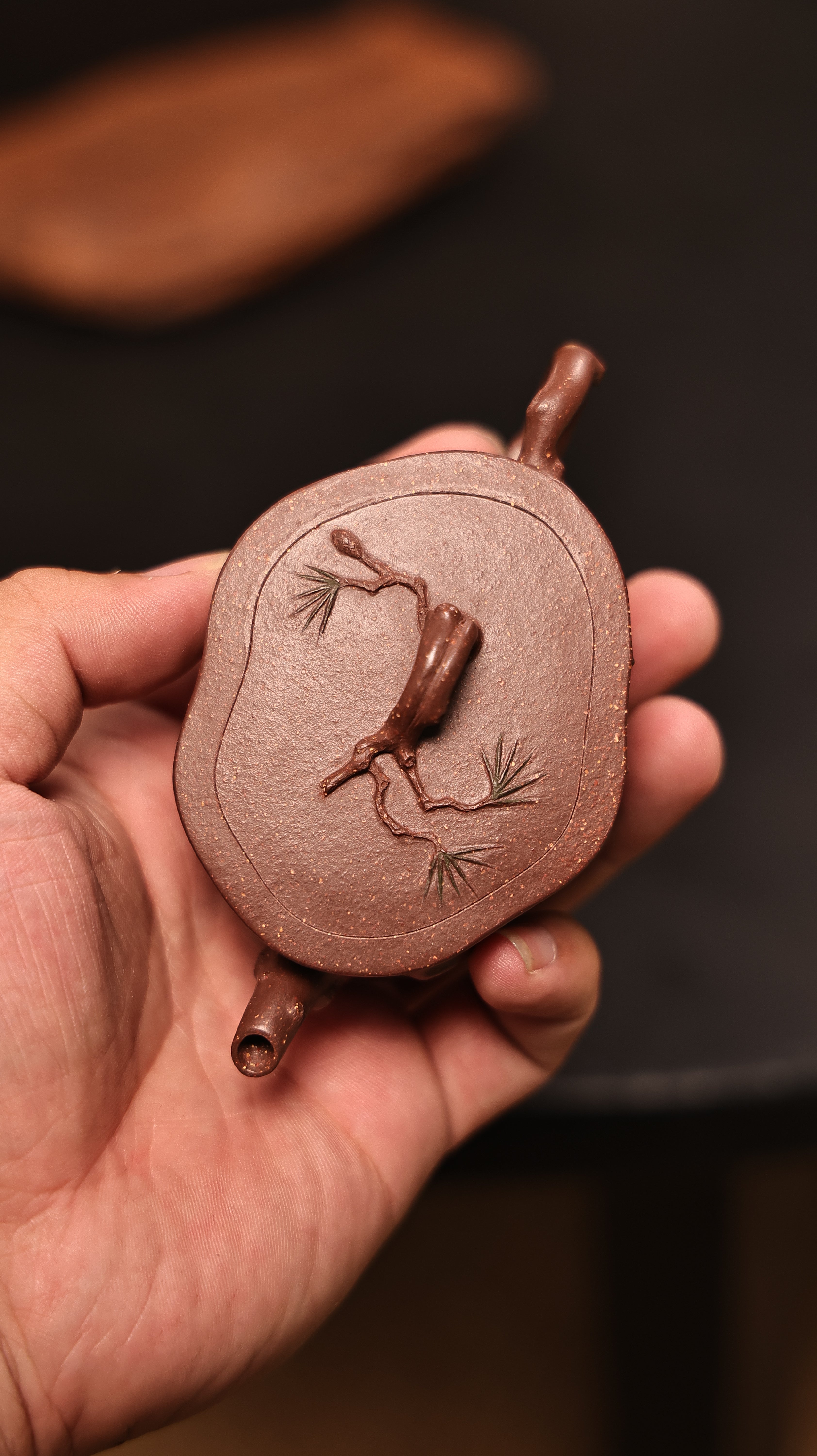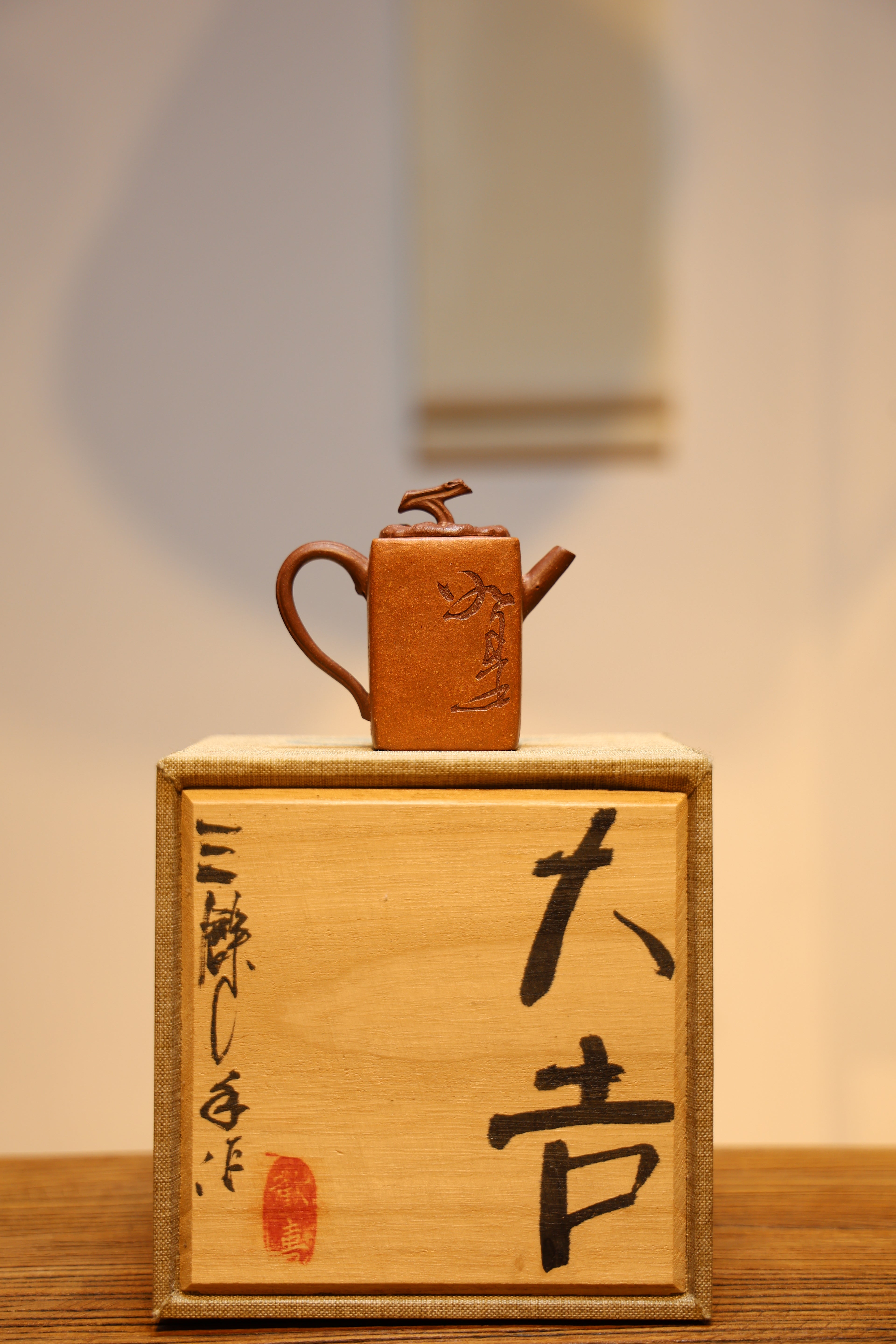
In the realm of timeless legacies,
Over periods, devotees have been absorbed by the distinctive charm of Yixing Zisha vessels. Originating from the area of Yixing in Jiangsu, these pots are renowned for their outstanding beauty, limited clay, and innate ability to augment the savor of the beverage. The element's distinctive burgundy hue, combined with the adept creation of territorial creators, creates creations that are concurrently functional masterpieces and coveted properties. Gaining a Zisha teapot is more than just certain purchase; it's adopting a rich legacy heritage.
Decoding Yixing Teapots: Evolution, Categories, and Worth
This Yixing teapots represent a rich heritage deeply intertwined with Chinese culture. Deriving in the Yixing region of Jiangsu province, these clay vessels have a heritage linking back to the Ming Dynasty. Early examples were functional, but amidst centuries, Yixing teapot craftsmanship evolved into an esteemed art form. The clay itself, known for its unique texture and ability to modify the flavor of the tea, lasts a defining factor. Yixing teapots manifest in various patterns, broadly categorized by shape: Conventional such as Zhuni (purple clay) and Bisheng, as well as more designs. The significance of a Yixing teapot turns on several factors, including the potter’s renown, the age of the piece, the rarity of the clay, and its aesthetic quality.- Story: Prime eras
- Earth: Various types
- Worth Components: Potter’s reputation
Art of Zisha Pottery: Technique and Individuals
Particular fabrication of a superior Zisha teapot is a detailed process, requiring lengthy durations of skill. Proficient artisans meticulously extract the purest Zisha clay, a exceptional earth found only in specific regions of China. Customary techniques, often passed down through families, involve accurate shaping, nuanced carving, and deliberate firing in ancient ovens. The culminating teapot isn't merely a receptacle; it's a testament to design vision and the intense connection between the potter and their ancestry. Each piece showcases the distinctive touch of the maker, resulting in a truly matchless work of art.
Historical Teapots: Investigating the Comprehensive Legacies of Yixing
Famous Yixing, set in Jiangsu the territory, is broadly renowned for its exceptional vessels – a tangible representation of centuries of Chinese craftsmanship. These aren't merely Zisha Teapot vessels for brewing tea; they are intricate works of innovation, often reflecting conceptual ideals. Yixing's unique purple clay, known as Zisha, possesses notable qualities: it dense, open to air, and imparts a subtle quality to the tea.
- Many lineages have honed the techniques of Yixing urn making, passing down secret methods through families.
- Admirers prize these pieces for their charm and uniqueness.
- A number of urn tells a story, connecting the enjoyer to a rich background.
Investing in Yixing Zisha: Important Factors
In the process of assessing procuring Yixing Zisha vessels, various criteria expect careful review. Firstly, the earth's tone is vital; authentic Zisha generally exhibits a particular carmine depth. Also, evaluate the handiwork; well-defined details and a refined finish suggest experienced creation. Ultimately, determine the creator’s standing; well-known names obtain superior costs and often deliver a stronger yield.
The Art of Brewing Tea with a Zisha Teapot
Producing palatable tea with a Zisha carafe is more over a simple practice; it's an science. Zisha clay, distinguished for its unique elemental composition, imparts a nuanced character to the brewed tea that’s often lacking with other devices. The appropriate water intensity is necessary; typically, gentler than what's used for black tea, to maintain the tea's fragrance and nuance. Consider mindfully the tea class; delicate green teas or aged pu-erhs flourish from the Zisha’s ability to soften their basic edge. It’s critical to heat the teapot ahead of brewing, and to avoid over-steeping. Mastering this procedure leads to a veritably exceptional tea occasion.
- Understanding Zisha Clay
- Temperature Control & Tea Sort
- Role of Pre-treatment
Preserving Your Yixing Earthenware
So as to ensure the continuity of your beautiful Yixing teapot, habitual attention is utterly indispensable. Do not using harsh substances; instead, mildly immerse it with moderately heated liquid. Dodge significant swings; please don't situate the kettle directly onto a glowing base. Periodically, season the pot by brewing it with top-notch puerh liquid, as this helps to increase its character and shields the unique features of the dirt.
About Dirt to Container: The Transition of a Yixing Utensil
A creation of a Zisha teapot is a exceptional approach, a symbol to both the planet's bounty and the skill of the creator. It inaugurates with the meticulous extraction of the exclusive clay from the crimson Zisha mines close to Yixing. This virgin material, known for its exquisite features, is then carefully clarified and ready for the original forming. The urn’s form is adeptly built using a concoction of time-honored molding strategies, often incorporating intricate embellishments. Following maturing, the urn undergoes a paramount first firing, succeeded by a finishing stage, which might involve several different layers of unprocessed Zisha films. Finally, a second, and sometimes third, firing at intense temperatures perfects the artifact, revealing its perfected beauty and superlative characteristics - a honest masterpiece, ready to enhance a tea gathering.
{Yixing Teapots: A Token of the Custom and Tribute
Legendary Yixing teapots, originating from the noted Yixing region of Jiangsu province, are far more than mere jars for brewing tea; they represent a profound aspect of Chinese customs. Made from distinctive purple clay – zisha – these exceptional teapots are highly treasured for their ability to complement the flavor of the tea and, crucially, for their artistic merit. The tradition of Yixing teapot making spans centuries, and the expertise involved is transmitted through generations, making each teapot a beautiful object that embodies classical techniques and a profound appreciation for the refined pleasures in life.