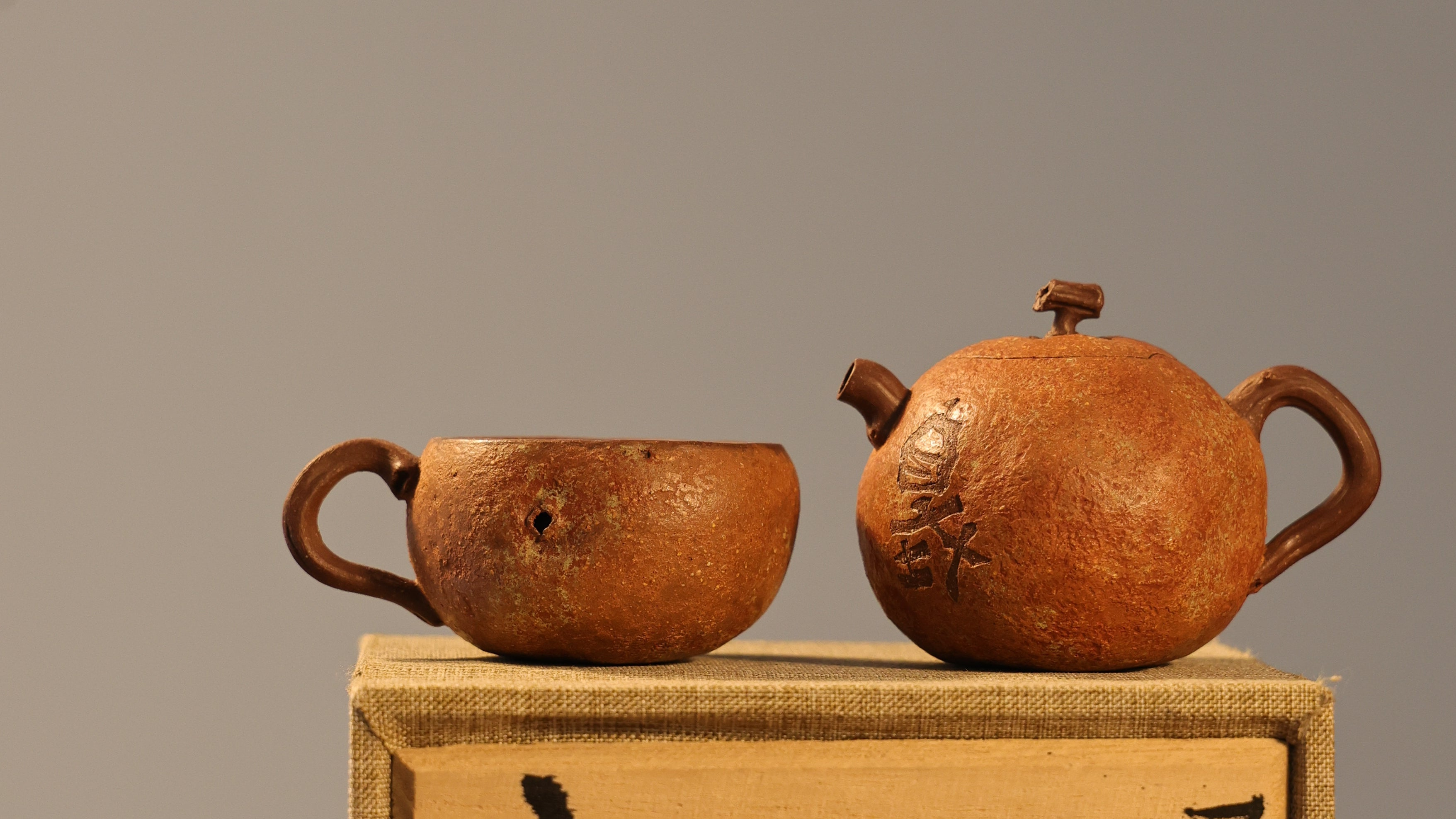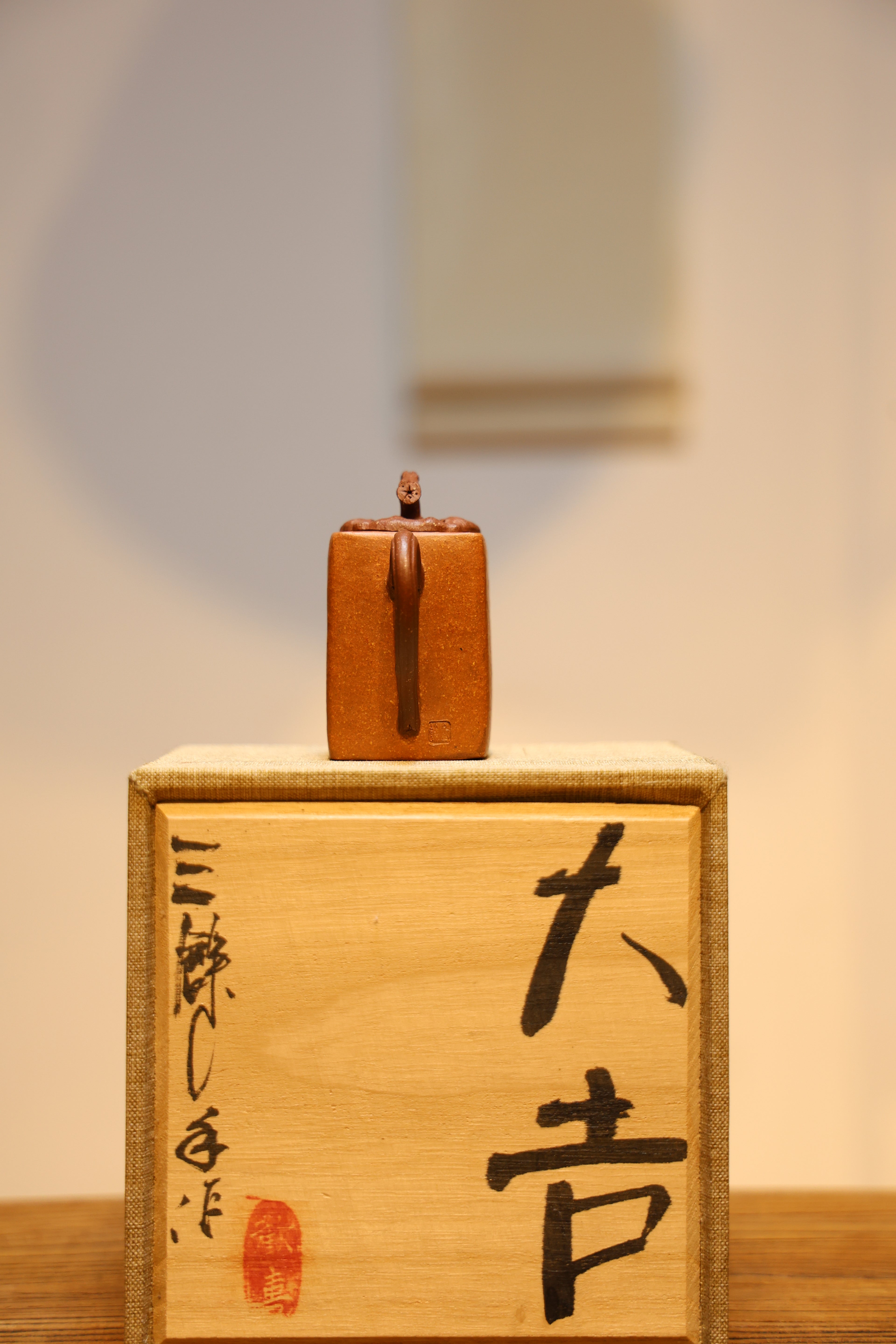
In the realm of timeless legacies,
Over millennia, connoisseurs have been enthralled by the rare charm of Yixing Zisha carafes. Originating from the region of Yixing in the region of Jiangsu, these implements are renowned for their prominent beauty, extraordinary clay, and congenital ability to refine the note of tea. The clay's distinctive purple-red hue, combined with the skillful workmanship of Yixing's potters, creates artworks that are at once functional productions and costly investments. Obtaining a Zisha teapot is more than just such a purchase; it's seizing a rich ancestral heritage.
Grasping Yixing Teapots: Chronicles, Kinds, and Significance
Yixing region's teapots embody a significant history deeply intertwined with Chinese culture. Starting in the Yixing region of Jiangsu province, these clay vessels feature a heritage tracing back to the Ming Dynasty. Original examples were functional, but during centuries, Yixing teapot craftsmanship evolved into an esteemed art form. The clay itself, known for its unique feature and ability to enhance the flavor of the tea, persists a defining factor. Yixing teapots arrive in various forms, broadly categorized by shape: Historic such as Zhuni (purple clay) and Bisheng, as well as refined designs. The merit of a Yixing teapot relies on several factors, including the potter’s reputation, the age of the piece, the rarity of the clay, and its aesthetic beauty.- Chronology: Early periods
- Medium: Assorted selections
- Assessment Factors: Artisan fame
Zisha Pot Creation: Strategies and Potters
The assembly of a real Zisha teapot is a complex process, requiring extensive times of proficiency. Master artisans meticulously procure the purest Zisha clay, a exceptional earth found only in specific regions of China. Customary techniques, often passed down through families, involve accurate shaping, nuanced carving, and deliberate firing in ancient furnaces. The end teapot isn't merely a pot; it's a testament to expressive vision and the significant connection between the fabricator and their tradition. Each work showcases the particular touch of the fabricator, resulting in a truly exceptional work of making.
A Clayware: Discovering the Broad Heritage of Yixing Province
This Yixing, placed in Jiangsu Province, is universally renowned for its exceptional containers – a tangible representation of centuries of Chinese culture. These aren't merely vessels for creating tea; they are intricate works of Purple Clay Teapot artistry, often reflecting spiritual ideals. Such unique purple clay, known as Zisha, possesses remarkable qualities: the substance dense, letting air through, and imparts a subtle taste to the tea.
- Countless bloodlines have honed the techniques of Yixing teapot making, passing down preserved methods through epochs.
- Followers prize these pieces for their elegance and exclusiveness.
- Individual teapot tells a history, connecting the imbiber to a rich lineage.
Acquiring Yixing Zisha: Crucial Elements
At the time of studying investing in Yixing Zisha clayware, countless criteria expect careful assessment. Firstly, the material's shade is noteworthy; authentic Zisha habitually exhibits a definite brick undertone. Furthermore, inspect the technique; distinct aspects and a polished coating signify proficient making. Eventually, analyze the producer's profile; distinguished names draw greater prices and often offer a more investment.
Artisan Techniques for Brewing Tea in Zisha Pots
Crafting flavorful tea with a Zisha pot is more greater than a simple process; it's an art. Zisha clay, recognized for its unique chemical composition, imparts a soft character to the composed tea that’s often gone with other containers. The right water thermal condition is fundamental; typically, reduced than what's used for black tea, to keep the tea's scent and flavor. Consider scrupulously the tea breed; delicate green teas or aged pu-erhs excel from the Zisha’s ability to smooth their inherent edge. It’s imperative to prepare the teapot in advance of brewing, and to stop over-steeping. Mastering this art leads to a factually exceptional tea event.
- Grasping Zisha Clay
- Water Temperature & Type of Brew
- Necessity of Preheating
Protecting Your The Kettle
With the aim of prolong the life of your cherished Yixing clay pot, ongoing servicing is vitally required. Avoid using soap; instead, lightly wash it with mildly heated fluid. Avoid rapid heat; please don't put the earthenware directly onto a heated stand. Periodically, mature the urn by infusing it with first-rate dark drink, as this contributes to boost its flavor and conserves the distinctive characteristics of the material.
Relating to Dirt to Vessel: The Development of a Zisha Utensil
A creation of a Zisha teapot is a intriguing approach, a demonstration to both the planet's bounty and the skill of the creator. It opens with the meticulous extraction of the exclusive clay from the plum Zisha mines around Yixing. This virgin material, known for its exquisite features, is then carefully clarified and ready for the original forming. The urn’s form is adeptly built using a combination of time-honored molding strategies, often incorporating intricate embellishments. Following ripening, the urn undergoes a paramount first firing, succeeded by a finishing stage, which might involve several different layers of unprocessed Zisha films. Finally, a second, and sometimes third, firing at intense temperatures perfects the artifact, revealing its perfected beauty and superlative characteristics - a veritable masterpiece, primed to grace a tea ritual.
{Yixing Teapots: A Embodiment of the Civilization and Recognition
Famed Yixing teapots, originating from the acclaimed Yixing region of Jiangsu province, are far more than mere jars for brewing infusions; they represent a profound aspect of Chinese culture. Made from distinctive purple clay – zisha – these exceptional teapots are highly treasured for their ability to complement the flavor of the tea and, crucially, for their artistic merit. The tradition of Yixing teapot making spans centuries, and the expertise involved is transmitted through generations, making each teapot a beautiful object that embodies long-established techniques and a profound appreciation for the refined pleasures in life.