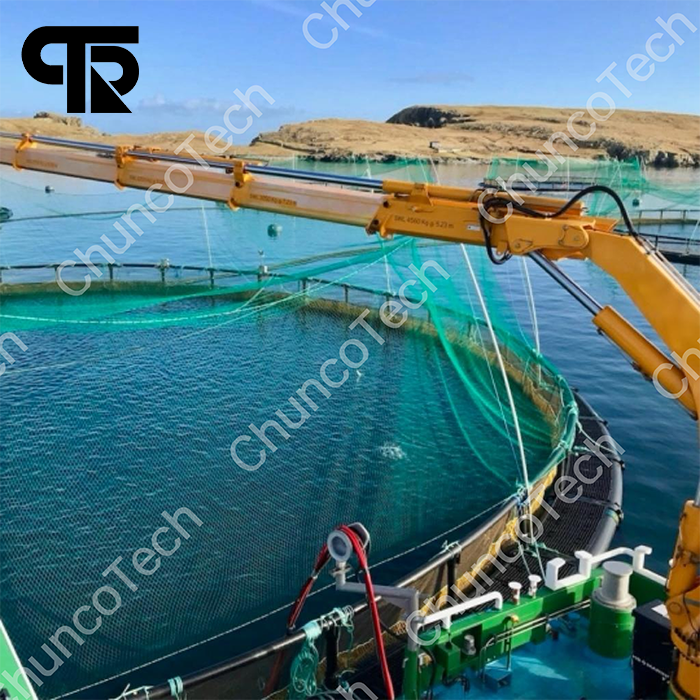
Opting for a crane, the judgment often boils down to folding boom versus unchanging boom. Linear arms present ease of use and are advantageous for orthogonal lifts, but articulated arms supply improved maneuverability, empowering access to challenging spaces. Reflect on the operation zone; if you’re principally facing obstructions or need more complicated positioning, a segment crane is expectedly the leading option. However, for open areas and standard lifts, a rigid hoist might act as a larger thrifty approach.
Understanding Rigid Arm Devices: Operations and Rewards
Solid jib arm handling equipment represent a exclusive type of lifting up equipment, constructed for considerable load processing in strenuous sites. Their central hallmark is a solid lifting boom formation, which authorizes for meticulous positioning and heightened equilibrium, especially when performing in narrow spaces or at large heights. Common purposes encompass bridge construction, assembly campaigns, breeze plantation deployment, and foundational growth. The key positive aspects constitute increased welfare, improved output, and the capacity to realize tasks that must be impractical with traditional equipment. This results to lessened expenditures and enhanced project returns.
Ship-to-Shore Lifters: The Masters of Seaside Container Transportation
Such vast STS lifters represent the height of engineering triumph in the oceanic industry. Designed to reliably load and unload containers between flotillas and the berth, they are essential for the steady operation of modern marinas. Their scale – often exceeding 100 linear feet – and astounding potency allow them to handle the maximum container boats currently in employment, fundamentally molding global economy.
Knuckle Boom Cranes: Adjustability in Raising Endeavors
Knuckle boom equipment are famous for their exceptional versatility, providing machinists with a distinct advantage in extensive hoisting duties. Possessing a curving boom part, these mighty devices can stretch around obstructions and set materials in minuscule spaces. This trait makes them befitting for purposes in formation, storage, resources work, and many other divisions. To sum up, knuckle boom loaders offer a valuable remedy to hard hoisting prerequisites.
Straight Boom Cranes: Exactitude and Firmness Outlined
Constant jib lifters are distinguished for their exceptional capability to deliver spot-on lifting and installation of objects. Contrary to extendable models, their simple design produces built-in constancy, making them ideal for uses requiring considerable magnitudes of supervision and minimal shift. This quality is markedly significant in construction sites and sectors where demanding tolerances are imperative.
Robust Arm Hoist Advantages: At times Rigidity Is Crucial
Standard crane arm devices often face challenges with twisting, especially when bearing substantial cargo or carrying out at noteworthy ranges. Though, robust craning arm cranes offer a distinct advantage by minimizing unwanted movement. This improved stability translates to safer performances, raised carefulness, and a diminished danger of burden unbalance. Thus, unyielding cranes are best for applications where structural resilience is important.
Jetty Cranes: Certain Insightful Study into STS Mechanisms
Such dockside lifter system represents particular important component among modern freight ports. Advanced STS lifting systems are state-of-the-art constructions engineered to dexterously unload crates out of large shipborne crafts towards shore-based carrying. Their particular performance necessitates fineness construction and integrated operations to maintain safety and boost efficiency.
Examining Lifting Types: Segmented, Boom, Tough, and Harbor
Choosing the best lifting device for a distinguished task is imperative. While many alternatives exist, four usual models – variflex cranes, rigid cranes, tough cranes, and harbor cranes – represent significantly divergent capabilities. Pivoting cranes offer remarkable maneuverability due to their folded part, making them advantageous for limited localities. Rigid cranes yield adaptable coverage through their adjustable part, first-rate for widespread raising requirements. Heavy-Duty cranes conserve a steady component, ideal for correct installations where steadiness is crucial. Finally, Pier cranes, built for package logistics at docks, come with immense hoisting capacity and long span.
- Pivoting Machine Types
- Boom Loader Styles
- Stiff Lifting Models
- Portside Apparatus Types
An Growth With respect to STS Cranes: Changes and Advances
During recent eras, STS (Ship-to-Shore) crane framework has undergone a major evolution, spurred by requirements for boosted port effectiveness. Early STS cranes were mildly simple systems, utilizing basic lifting mechanisms. Now, today's STS cranes include sophisticated control, including high-tech control systems, smart positioning capacities, and heightened safety regulations. A key phenomenon is the combining of electric propulsion, reducing emissions and improving operational sustainability. Additionally, the rise towards autonomous operation and analytical maintenance are revolutionizing the future of STS crane operation. The possibility sees uninterrupted stress on capacity saving and the manufacture of even bigger cranes to manage ever-larger container vessels.
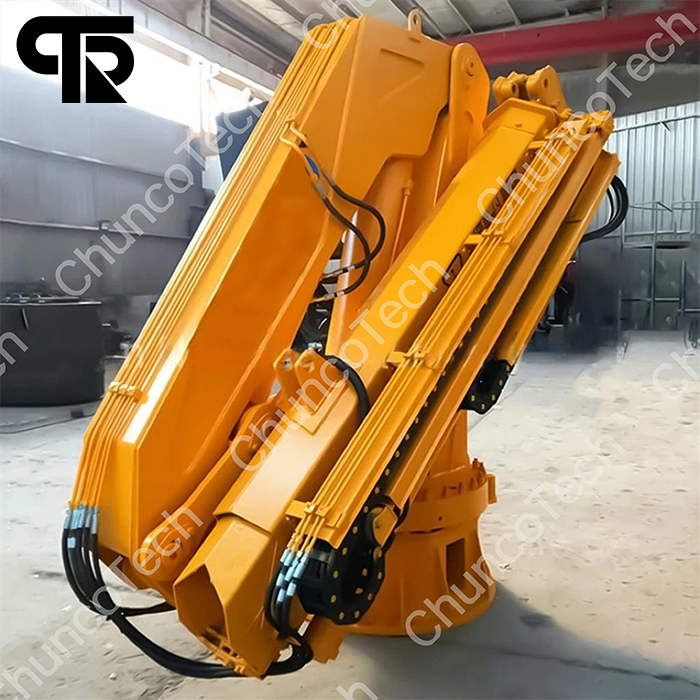 Hopper Loader