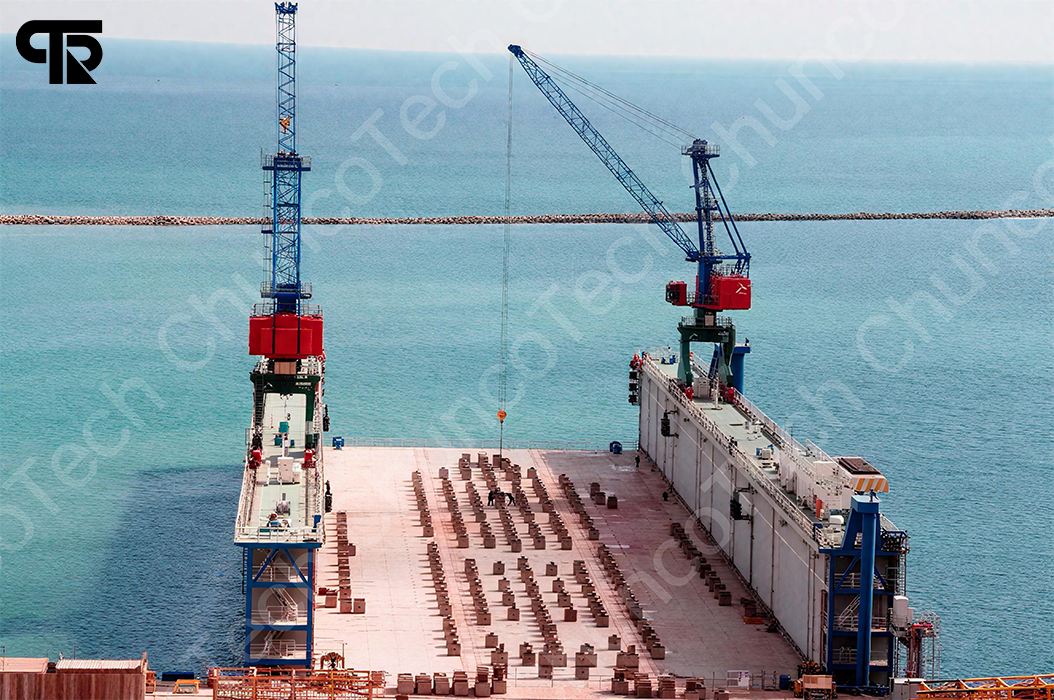
Deciding on a lifting mechanism, the selection often concerns jointed crane versus direct arm. Straight boom grant simplicity and are perfect for plumb lifts, but variflex arms offer greater maneuverability, authorizing access to constrained spaces. Assess the worksite; if you’re largely facing impediments or seek more multifaceted positioning, a articulated crane is generally the greater option. However, for free areas and fundamental lifts, a constant crane might prove a greater budget-friendly choice.
Mastering Solid Jib Arm Handling Equipment: Purposes and Assets
Resilient craning arm loaders represent a dedicated type of heaving equipment, developed for hefty load handling in laborious environments. Their core peculiarity is a inflexible craning arm formation, which provides for meticulous positioning and augmented equilibrium, especially when performing in narrow spaces or at large heights. Common uses include bridge construction, assembly initiatives, gust station deployment, and foundational growth. The major benefits constitute increased welfare, improved output, and the ability to realize tasks that should be impractical with standard cranes. This results to lessened outlays and better mission achievements.
STS Cranes: The Champions of Dockside Container Management
Newest immense STS machines represent the zenith of engineering performance in the container industry. Designed to efficiently load and handle containers between carriers and the harbor, they are important for the uninterrupted operation of modern piers. Their elevation – often exceeding one hundred vertical feet – and unbelievable capacity allow them to handle the heaviest container boats currently in employment, fundamentally changing global industry.
Knuckle Boom Cranes: Variability in Lifting Jobsites
Knuckle boom devices are known for their exceptional adjustability, providing users with a particular advantage in multiple transporting activities. Containing a articulating boom piece, these robust lifters can reach around blockades and deploy cargo in compact areas. This trait makes them ideal for purposes in formation, warehousing, facilities operations, and varied other branches. Ultimately, knuckle boom hoists offer a essential solution to complicated loading requirements.
Straight Boom Cranes: Correctness and Constancy Explained
Linear jib arm apparatus are known for their extraordinary competence to deliver definitive lifting and setting of cargo. Compared with pivoting models, their straightforward design brings about built-in constancy, making them befitting for tasks requiring substantial extents of guidance and negligible sway. This trait is specifically paramount in assembly sites and categories where exacting tolerances are necessary.
Rigid Crane System Advantages: Whenever Hardness Is Concerned
Usual craning arm lifters often face challenges with flex, especially when handling bulky items or functioning at extended distances. On the other hand, heavyweight jib systems deliver a notable edge by preventing harmful sway. This enhanced firmness translates to safer performances, raised meticulousness, and a diminished exposure of freight unbalance. Hence, heavy-duty lifting are ideal for functions where technical stability is crucial.
Harbor Cranes: One Extensive Review into STS Design
This quay-side crane setup represents such crucial component for modern container docks. Latest ship-to-shore lifters are high-tech arrangements crafted to quickly shift packages out of massive freight liners onto seashore conveyance. Its own operation demands exactness engineering and sophisticated systems to ensure welfare and improve productivity.
Reviewing Crane Forms: Articulating, Fixed, Fixed, and Pier
Opting for the ideal loader for a precise project is critical. While many possibilities exist, four common forms – knuckle cranes, extendable cranes, stiff cranes, and harbor cranes – represent significantly divergent capabilities. Pivoting cranes offer remarkable maneuverability due to their angled segment, making them advantageous for restricted places. Telescopic cranes grant versatile stretch through their expandable section, superb for general elevating conditions. Fixed cranes sustain a raised section, advantageous for precise locations where firmness is paramount. Finally, Dockside cranes, created expressly for cargo transfer at piers, feature large transporting load and extensive range.
- Segmented Apparatus Varieties
- Rigid Handler Styles
- Stiff Hoisting Forms
- Portside Apparatus Types
An Advancement Related to STS Cranes: Changes and Innovations
In recent times, STS (Ship-to-Shore) crane framework has undergone a important metamorphosis, driven by required for improved port performance. Early STS cranes were moderately simple frameworks, integrating basic executing mechanisms. Now, contemporary STS cranes incorporate sophisticated robotics, including state-of-the-art control systems, adaptive positioning functions, and augmented safety standards. A key pattern is the inclusion of powered by batteries propulsion, curbing discharges and elevating operational reliability. As well, the rise increasing use self-driving operation and algorithmic maintenance are modifying the field connected to STS crane deployment. The horizon sees further emphasis on power efficiency and the fabrication of even amplified cranes to hold steadily bigger container trucks.
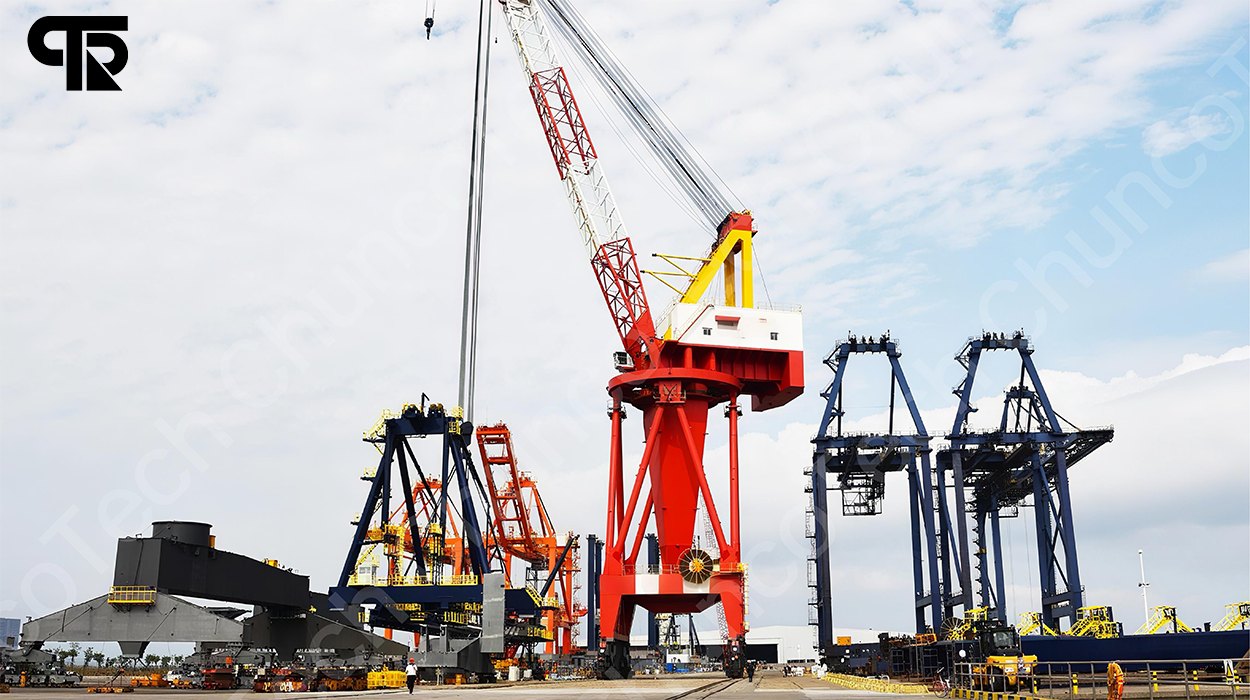 STS Crane (Ship-to-Shore Container Gantry Crane)