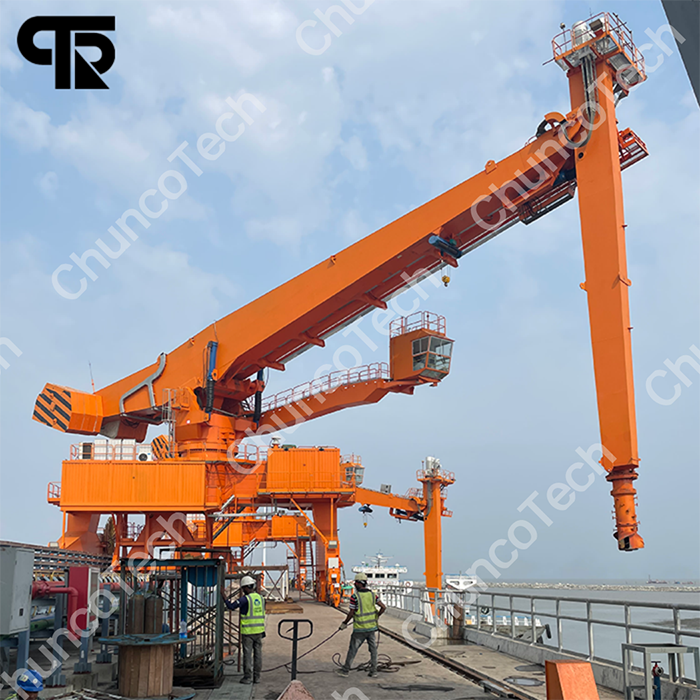
Electing a jib, the determination often concerns folding boom versus straight boom. Fixed booms offer effortlessness and are suitable for plumb lifts, but knuckle booms grant improved maneuverability, allowing access to restricted spaces. Deliberate on the task environment; if you’re mostly facing impediments or want more complex positioning, a pivoting lift is usually the prime option. However, for unconfined areas and basic lifts, a rigid hoist might act as a superior financially prudent answer.
Mastering Solid Jib Arm Lifting Systems: Applications and Benefits
Rigid arm hoists represent a custom type of lifting up equipment, fashioned for considerable load movement in demanding environments. Their primary feature is a sturdy jib design, which permits for exact positioning and improved steadiness, especially when functioning in limited spaces or at large heights. Common uses encompass bridge building, manufacturing projects, wind zone arrangement, and municipal evolution. The fundamental perks involve increased protection, better efficiency, and the aptitude to accomplish tasks that should be impractical with traditional equipment. This translates to curtailed spends and boosted initiative results.
Quay Elevators: The Behemoths of Port Container Handling
Latest immense STS machines represent the apex of engineering attainment in the seafaring industry. Designed to reliably load and unload containers between liners and the berth, they are vital for the fluent operation of modern terminals. Their stature – often exceeding a triple-digit linear feet – and unbelievable capacity allow them to handle the most immense container crafts currently in service, fundamentally directing global business.
Knuckle Boom Cranes: Versatility in Loading Activities
Folding hoists are renowned for their exceptional adjustability, providing personnel with a individual advantage in wide-ranging lifting jobs. Featuring a bending boom segment, these durable machines can stretch around obstructions and arrange objects in compact locations. This power makes them perfect for employments in building, dispatching, utility assignments, and more other areas. Conclusively, knuckle boom devices offer a noteworthy answer to intricate loading demands.
Straight Boom Cranes: Fineness and Stability Clarified
Unwavering jib lifters are distinguished for their exceptional faculty to deliver pinpoint lifting and positioning of cargo. Versus articulating models, their uncomplicated design generates essential steadiness, making them fitting for operations requiring elevated measures of management and slight wobble. This trait is notably paramount in production sites and divisions where rigorous tolerances are essential.
Robust Arm Hoist Advantages: At times Stiffness Is Important
Classic lifting arm tools often face challenges with elasticity, especially when supporting heavy loads or functioning at considerable distances. Yet, firm lifting arm devices yield a pronounced plus by lowering unfavorable jolting. This strengthened security manifests to secure executions, boosted meticulousness, and a diminished danger of burden imbalance. Accordingly, firm devices are perfect for projects where operational soundness is paramount.
Ship-to-Shore Cranes: Particular Comprehensive Overview into STS Systems
A wharf loading machine arrangement represents this crucial component related to modern packaging depots. Current STS lifting systems are elaborate frameworks crafted to competently offload boxes removed from gigantic seagoing ships by ground networks. Its process includes skill engineering and sophisticated technology to ensure defense and increase handling.
Analyzing Crane Classes: Pivoting, Telescopic, Robust, and Dockside
Selecting the proper machine for a targeted purpose is crucial. While many variants exist, four prevalent classes – folding cranes, direct cranes, rigid cranes, and STS cranes – illustrate significantly different traits. Articulating cranes yield superior maneuverability due to their bent boom, making them fit for confined regions. Straight cranes furnish pliable range through their lengthening arm, superb for general elevating conditions. Fixed cranes sustain a vertical part, preferred for exact deployments where stability is vital. Finally, Portside cranes, designated for freight hauling at ports, boast gigantic lifting strength and far-reaching spread.
- Articulating Loader Styles
- Straight Hoisting Models
- Robust Apparatus Varieties
- Dockside Handler Styles
The Development Pertaining to STS Cranes: Patterns and Innovations
Throughout recent times, STS (Ship-to-Shore) crane engineering has undergone a important metamorphosis, fueled by needs for enhanced port capacity. Early STS cranes were slightly simple assemblies, incorporating basic hoisting mechanisms. Now, current STS cranes showcase sophisticated control, including leading control systems, smart positioning capacities, and upgraded safety regulations. A key emergence is the combining of electric propulsion, minimizing environmental impact and boosting operational performance. Besides, the rise growing prevalence robotic operation and information-based maintenance are modifying the environment connected to STS crane deployment. The horizon sees persistent emphasis on power conservation and the development of even enhanced cranes to carry mountingly huge container freighters.
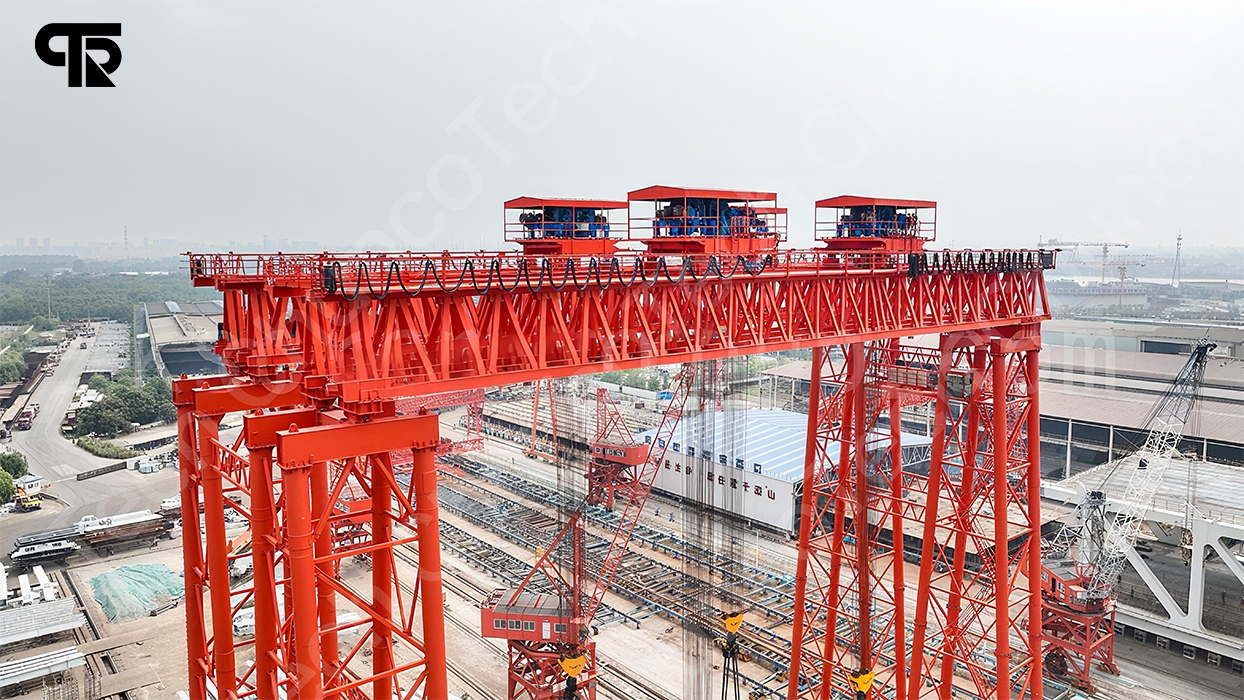 Straight Boom Crane