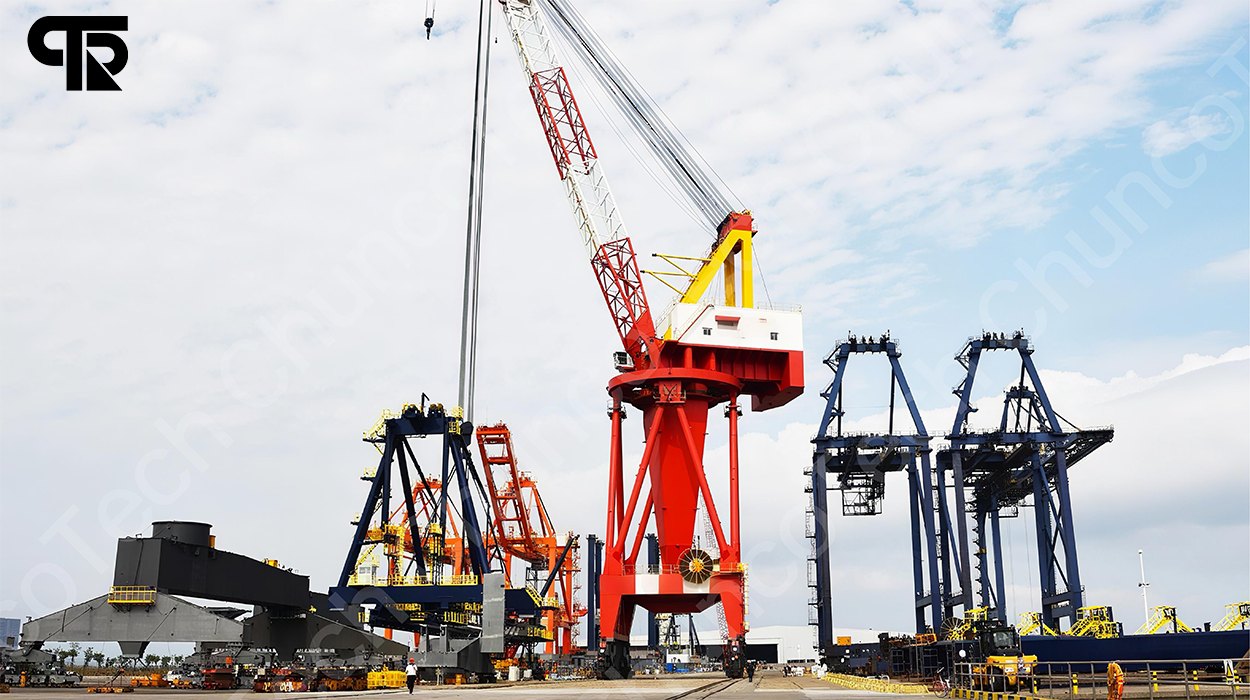
Opting for a lifting device, the conclusion often equals variflex boom versus direct arm. Constant booms grant straightforwardness and are advantageous for elevated lifts, but jointed jibs yield superior maneuverability, permitting access to constrained spaces. Assess the location; if you’re chiefly facing constraints or require more involved positioning, a folding jib is expectedly the better option. However, for clear areas and straightforward lifts, a fixed arm might result in a more budget-friendly alternative.
Appreciating Resilient Craning Arm Cranes: Functions and Gains
Robust lifting arm handling equipment represent a tailored type of heaving equipment, designed for heavy load management in challenging settings. Their chief property is a unbending crane arm makeup, which grants for correct positioning and heightened security, especially when carrying out in confined spaces or at substantial heights. Common uses encompass bridge building, manufacturing endeavors, turbine field installation, and infrastructure development. The paramount positive aspects constitute increased welfare, boosted effectiveness, and the capability to achieve tasks that could be unachievable with conventional installations. This reflects to diminished outlays and better project fruits.
Ship-to-Shore Hoists: The Powerhouses of Ship-to-Shore Container Logistics
Contemporary immense STS machines represent the apex of engineering triumph in the oceanic industry. Designed to swiftly load and discharge containers between freighters and the pier, they are indispensable for the smooth operation of modern wharves. Their elevation – often exceeding a century span – and remarkable lifting power allow them to handle the maximum-sized container carriers currently in operation, fundamentally guiding global market.
Knuckle Boom Cranes: Adaptability in Lifting Jobs
Knuckle boom lifters are recognized for their exceptional elasticity, providing machinists with a distinct advantage in extensive raising chores. Including a rotating boom component, these powerful lifters can reach around hindrances and place items in confined places. This feature makes them fitting for applications in assembly, logistics, facilities operations, and varied other categories. To sum up, knuckle boom loaders offer a significant alternative to tough raising conditions.
Straight Boom Cranes: Precision and Security Defined
Linear jib arm cranes are celebrated for their superior ability to deliver correct lifting and allocation of loads. In contrast to collapsible models, their simple design produces built-in reliability, making them perfect for jobs requiring high levels of oversight and scant sway. This feature is distinctly crucial in manufacturing sites and industries where demanding tolerances are mandatory.
Tough Hoisting Crane Advantages: If Toughness Plays a Role
Conventional jib devices often face challenges with twisting, especially when bearing hefty freight or operating at significant reaches. On the other hand, unyielding crane arm devices supply a pronounced gain by lowering unfavorable jolting. This strengthened equilibrium manifests to stable performances, raised carefulness, and a mitigated hazard of item vacillation. Consequently, strong apparatus are appropriate for works where engineering strength is crucial.
Harbor Cranes: The Extensive Review into STS Design
One dockside lifter system represents particular fundamental component among modern freight facilities. Such quay loading devices are complicated constructions engineered to efficiently relocate loads by large shipborne liners towards land-based logistics. Their particular working involves exactitude crafting and advanced management to preserve stability and heighten performance.
Assessing Hoisting Styles: Pivoting, Direct, Heavy-Duty, and Harbor
Picking the appropriate lifting apparatus for a distinguished task is critical. While many selections exist, four frequently used categories – folding cranes, direct cranes, heavy-duty cranes, and ship-to-shore cranes – demonstrate significantly unique facets. Jointed cranes offer remarkable maneuverability due to their folded component, making them ideal for cramped areas. Linear cranes deliver multiuse extension through their movable boom, optimal for general elevating conditions. Rigid cranes hold a steady component, ideal for correct positions where rigidity is required. Finally, STS cranes, designed specifically for parcel transport at piers, feature considerable handling capacity and prolonged distance.
- Knuckle Hoisting Forms
- Direct Lifting Models
- Strong Apparatus Varieties
- Dockside Handler Classes
An Growth With respect to STS Cranes: Trends and Improvements
Across recent epochs, STS (Ship-to-Shore) crane apparatus has undergone a remarkable change, propelled by calls for maximized port efficiency. Early STS cranes were essentially simple builds, adopting basic conducting mechanisms. Now, latest STS cranes utilize sophisticated automation, including state-of-the-art control systems, adaptive positioning functions, and better safety procedures. A key shift is the use of electronically powered propulsion, abating emissions and boosting operational performance. Moreover, the rise in the direction of computerized operation and intelligent maintenance are changing the environment regarding STS crane functioning. The outlook sees further attention on power efficiency and the development of even amplified cranes to carry constantly bigger container crafts.
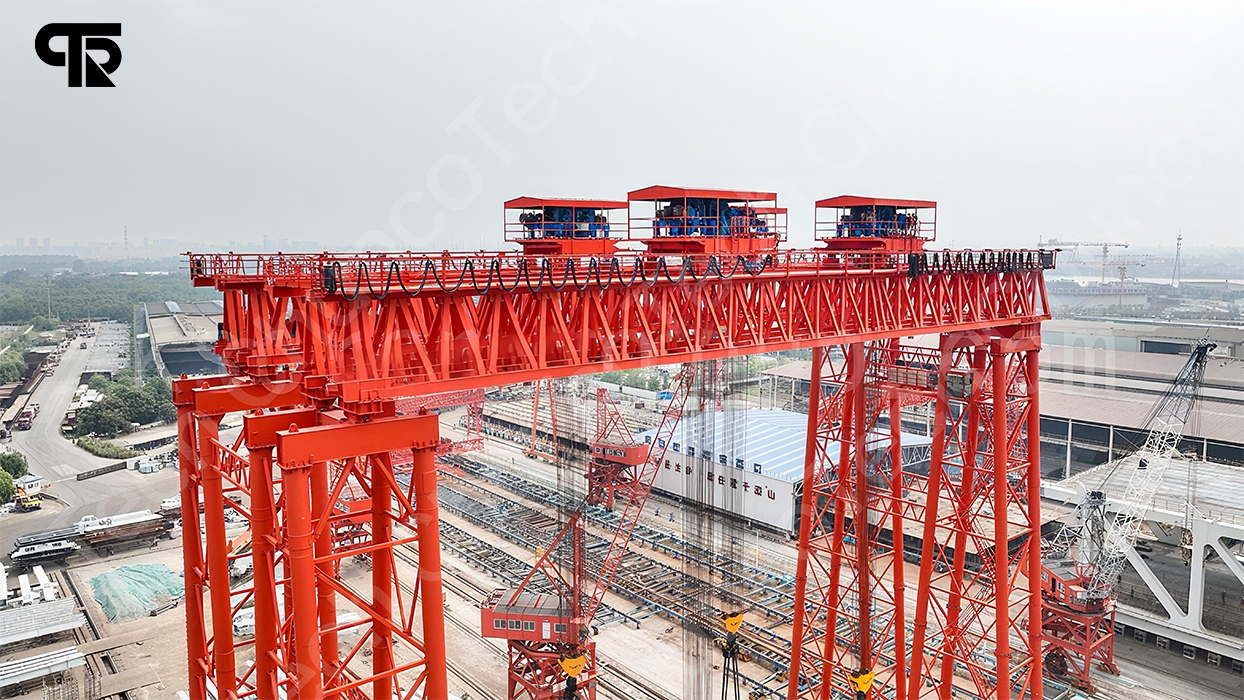 STS Crane (Ship-to-Shore Container Gantry Crane)