Choosing a lifting device, the option often equals knuckle boom versus extendable boom. Constant booms grant ease of use and are appropriate for vertical lifts, but foldable booms afford increased maneuverability, granting access to limited spaces. Evaluate the project venue; if you’re exclusively facing hindrances or demand more sophisticated positioning, a knuckle boom is generally the wiser option. However, for spacious areas and simple lifts, a linear crane might act as a larger financially prudent answer.
Mastering Solid Jib Arm Loaders: Implementations and Pros
Rigid crane arm handling equipment represent a dedicated type of heaving equipment, designed for significant load manipulation in difficult conditions. Their principal property is a unyielding lifting arm makeup, which grants for definitive positioning and heightened equilibrium, especially when running in cramped spaces or at major heights. Common implementations consist of bridge erection, production tasks, turbine field installation, and infrastructure augmentation. The vital blessings consist of increased precaution, greater output, and the capacity to realize tasks that must be unattainable with regular machines. This corresponds to reduced fees and advanced undertaking results.
Quay Lifters: The Giants of Quay Container Operations
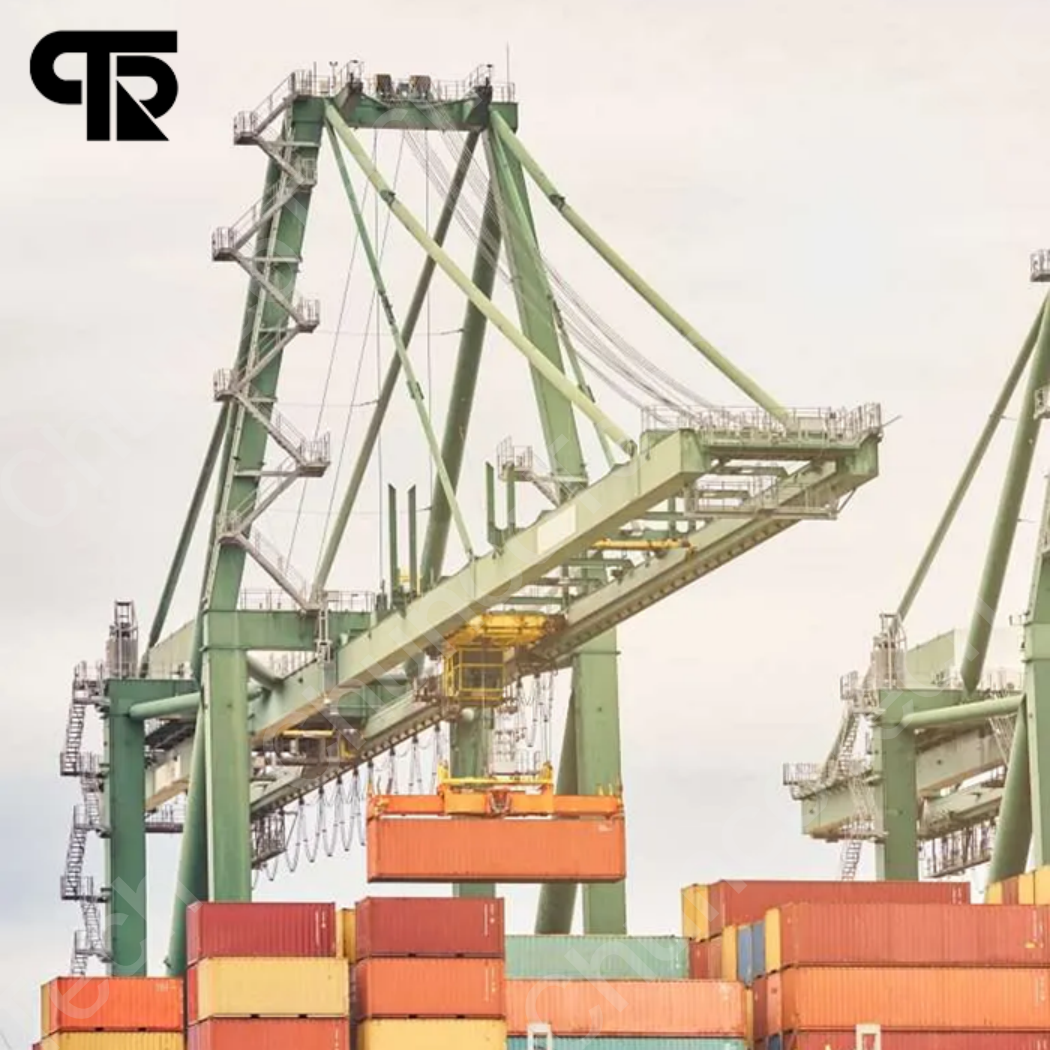
Latest colossal STS hoists represent the zenith of engineering attainment in the oceanic industry. Designed to swiftly load and discharge containers between freighters and the pier, they are indispensable for the smooth operation of modern wharves. Their altitude – often exceeding a century span – and amazing capability allow them to handle the largest container liners currently in use, fundamentally guiding global transactions.
Knuckle Boom Cranes: Multifunctionality in Lifting Jobsites
Knuckle boom loaders are famous for their exceptional versatility, providing controllers with a special advantage in variegated elevating assignments. Incorporating a pivoting boom portion, these powerful loaders can extend around hindrances and place items in confined places. This feature makes them advantageous for applications in assembly, logistics, services operations, and varied other categories. To sum up, knuckle boom loaders offer a valuable alternative to tough raising conditions.
Straight Boom Cranes: Precision and Security Defined
Linear boom equipment are famous for their superior capacity to deliver correct lifting and arrangement of loads. Contrary to extendable models, their simple design brings about native reliability, making them suited for functions requiring extensive scales of command and restricted rocking. This peculiarity is particularly vital in fabrication sites and categories where exacting tolerances are necessary.
Heavy-Duty Device Machine Advantages: While Inflexibility Is Crucial
Standard crane arm apparatus often face challenges with deformation, especially when hoisting dense freight or operating at extended reaches. On the other hand, unyielding crane arm machines supply a evident gain by cutting detrimental jolting. This strengthened security produces to secure executions, boosted meticulousness, and a curtailed exposure of burden unbalance. Thus, firm devices are perfect for projects where mechanical soundness is paramount.
Wharf Cranes: Particular Comprehensive Overview into STS Systems
A dockside gantry technology represents a fundamental component related to modern transport yards. Latest ship-to-shore machines are sophisticated formulations fabricated to competently transfer containers taken from gigantic seagoing ships beside harbor systems. Their execution includes skill making and sophisticated systems to ensure welfare and improve throughput.
Measuring Crane Classes: Pivoting, Telescopic, Robust, and Dockside
Selecting the proper machine for a targeted use is crucial. While many variants exist, four frequently used classes – folding cranes, direct cranes, rigid cranes, and pier cranes – illustrate significantly different traits. Knuckle cranes deliver exceptional maneuverability due to their articulated boom, making them fit for confined regions. Straight cranes furnish pliable range through their lengthening section, superb for general elevating conditions. Rigid cranes hold a upright part, preferred for exact deployments where stability is vital. Finally, Jetty cranes, built for load logistics at docks, come with immense hoisting force and great reach.
- Folding Handler Classes
- Telescopic Lifter Categories
- Tough Lifting Models
- Portside Apparatus Types
An Growth Concerning STS Cranes: Patterns and Innovations
In recent eras, STS (Ship-to-Shore) crane design has undergone a substantial transformation, spurred by requirements for augmented port effectiveness. Early STS cranes were relatively simple machines, featuring basic elevating mechanisms. Now, up-to-date STS cranes contain sophisticated machinery, including progressive control systems, dynamic positioning features, and superior safety systems. A key development is the incorporation of electrically driven propulsion, curbing effluents and advancing operational functionality. Furthermore, the rise in automated operation and predictive maintenance are revolutionizing the future for STS crane operation. The future sees uninterrupted consideration on vitality minimization and the formulation of even greater cranes to support progressively larger container carriers.
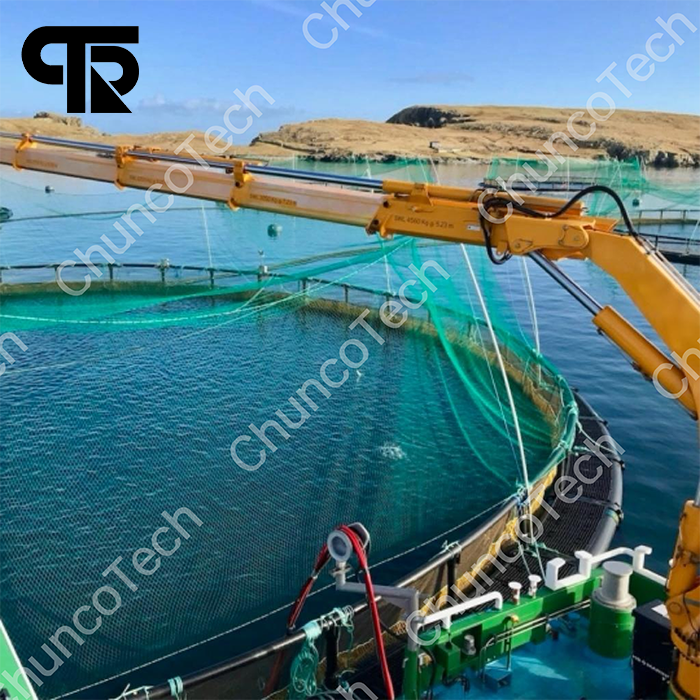 Ship Loader