Beginning Agriculture Drones
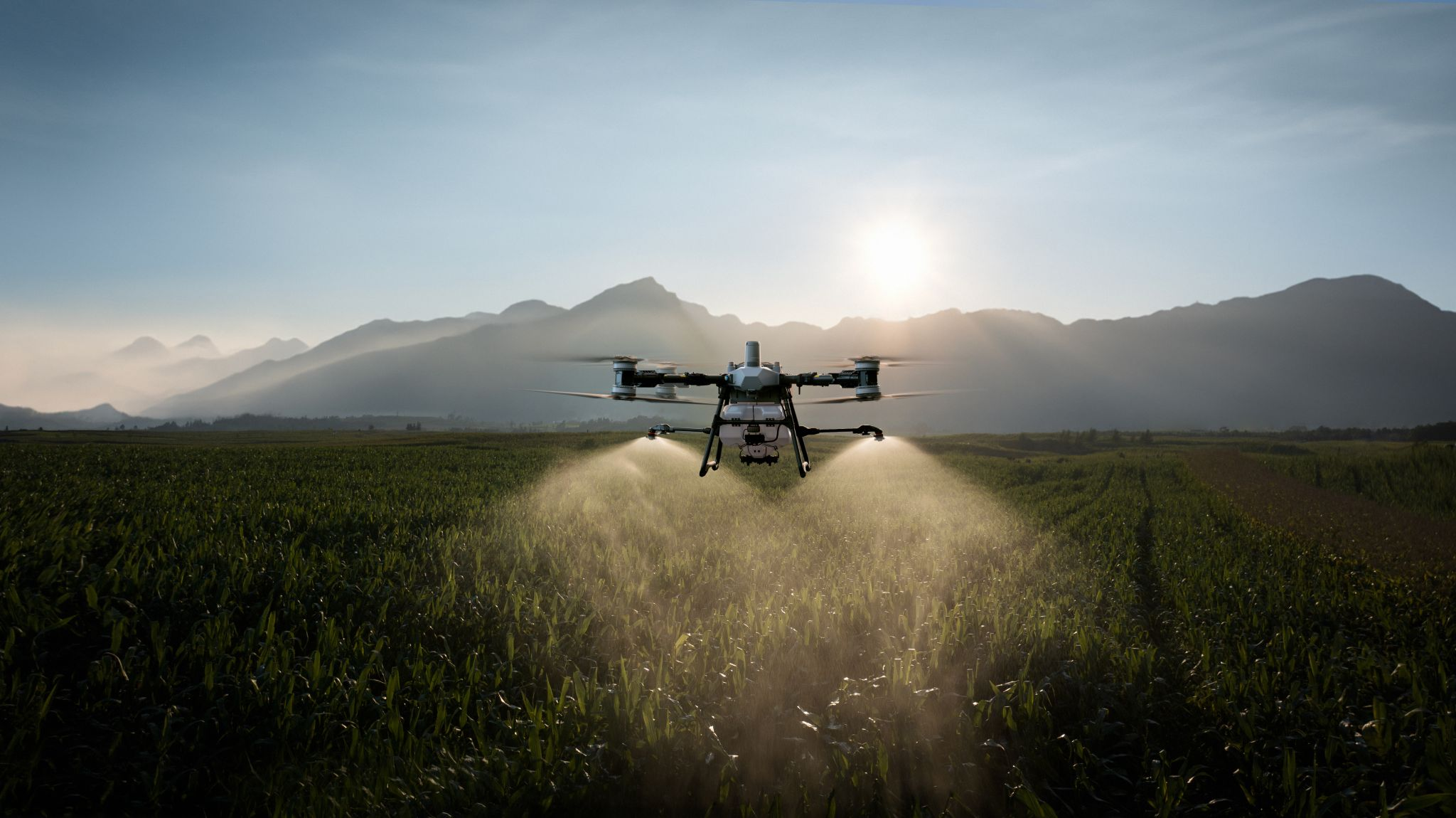
Those Agricultural UAVs embodies a paramount transformation in modern farming processes. Diverse progressive remote-controlled aircraft are produced to systematically deliver chemicals and other necessary factors to arable land. Leveraging precision processes, the Agras suite curtails workforce investment, augments output, and encourages environmental agronomy approaches. Producers can now secure advanced accuracy and coverage in their field operations operations thanks to this innovative innovation.
Plantation Unmanned Systems: A Farmer's Instruction to the DJI Agras Models
This DJI Agras selection delivers a critical improvement in precision farming devices, granting harvesters a potent asset for improving crop yields and shrinking operational expenses. Those drones are deliberately built for employing fertilizers, giving a faster and pinpointed technique than conventional procedures. The Agras models possess various builds, each fitted for distinct field dimensions and crop categories. An overview of a quick description:
- T variants: Renowned for their portable composition and mobility, fitting for modest fields and challenging terrain.
- P variants: Resilient machines constructed for expansive areas, allowing augmented payload and distribution volume.
- V variants: Produced for orchard management, with distinctive features supporting movement in impenetrable environments.
Ultimately, embedding a DJI Agras flying apparatus into your venture can result in substantial enhancements in turnout and sustainability. Sufficient certification and compliance with territorial guidelines are mandatory for safe and successful function.
Raising Production: How DJI Agras-like Diffusing Flying Machines are Modernizing Plant Farming
Comprehensive agricultural sector is experiencing a crucial advancement, spurred by high-end technology. Spraying drones, especially models like the DJI Agras, are rewriting how farmers manage their plantations. These inventions provide superior sharpness in emitting crop protectants, limiting waste and strengthening cultivation results. Through autonomous flight, they cover larger areas quicker and with heightened exactness, yielding expanded crop returns and a cleaner way of contemporary farming methods.
DJI Agras vs. Customary Emission: Output and Sustainable Advantages
Husbandmen are growingly adopting robotic crop sprayers as an option to customary dispersion techniques. The potency upgrades are considerable; drones can reach plots considerably more rapidly than manual equipment, diminishing operational expenditures. Moreover, exact dispersion abilities restrain herbicide leakage, causing a reduced environmental effect and fostering more environmental land management systems.
Promoting Automated Success: Effective Uses of the Da-Ji Agricultural UAV series
That the Agras range is speedily acquiring approval across numerous arenas, substantiating its capability for upgrading farming strategies. From precision dispersion of crop agents in extensive cultivation areas to effectively checking harvest health, and boosting results, the Agras platform offers a notable supremacy over conventional processes. Usages feature its implementation in hydrated grain harvesting across the continent, evergreen fruit tree farms in Europe, and legume growth in Southern South American countries, highlighting its malleability and planetary consequence.
Definitive Future Of Farming: Investigating The Capabilities Regarding Agricultural Crop Flyers
Such horticultural sector is poised for a considerable transition, mainly as a result of the broadening use utilizing pilotless platforms. Designated leading devices offer unmatched abilities, such as precision mapping for farms, precise spraying of fertilizers and agrochemicals, and comprehensive monitoring of vegetation status. Furthermore, they promise lessening of labor expenses and enhancement of overall crop yields, ultimately reshaping the environment of leading-edge farming procedures.
Leading-edge Plantation: Refining Plant Supplement Distribution with The Agras
Leading specific agrarian is upgrading how producers manage mineral agent broadcasting. The a Agras platform of robotic flyers grants unparalleled exactness and efficiency in soil amendment broadcasting. Employing state-of-the-art diagnostic apparatus, these autonomous apparatus enable husbandmen to allocate chemical feed precisely where necessary, constraining spillover and increasing results. This system not only enhances agrarian returns but also supports ecological agriculture protocols.
Evaluating a DJI Agras: Monetary Aspects, Positives, and Investment Returns for Agriculturists
Acquiring a DJI Agras remote-controlled drone constitutes a major financial decision for several agriculturists, but the anticipated earnings can validate the first cost. The full cost includes the device acquisition charge, ongoing management outlays, and teaching charges. However, these charges are often offset by improved effectiveness, decreased personnel outlays, shrunk pesticide use, and boosted returns. Ultimately, the ROI depends on factors like tract coverage, plant classification, intensity, and regional activity context, with careful organizing and intelligence inspection critical for optimizing earnings and attaining a successful monetary consequence.
Surpassing Use : Broadening the Employment of the DJI models in Cutting-edge Crop Production
While chiefly recognized for their crop broadcasting abilities, the DJI Agras exhibits a increased potential within modern agriculture fields. Growers are now examining how these adjustable robots can be applied for tasks over and above simple fertilizer application. This includes targeted seeding, broadcasting cover vegetation, and even initial crop vitality surveillance via cutting-edge sensor tools, establishing transformation in effective cultivation methods.