Hello concerning such detailed summary concerning suspension systems incorporating heat-detecting observation via remote-controlled apparatuses.
Stabilizer Benefits about Drone Photographic Progress
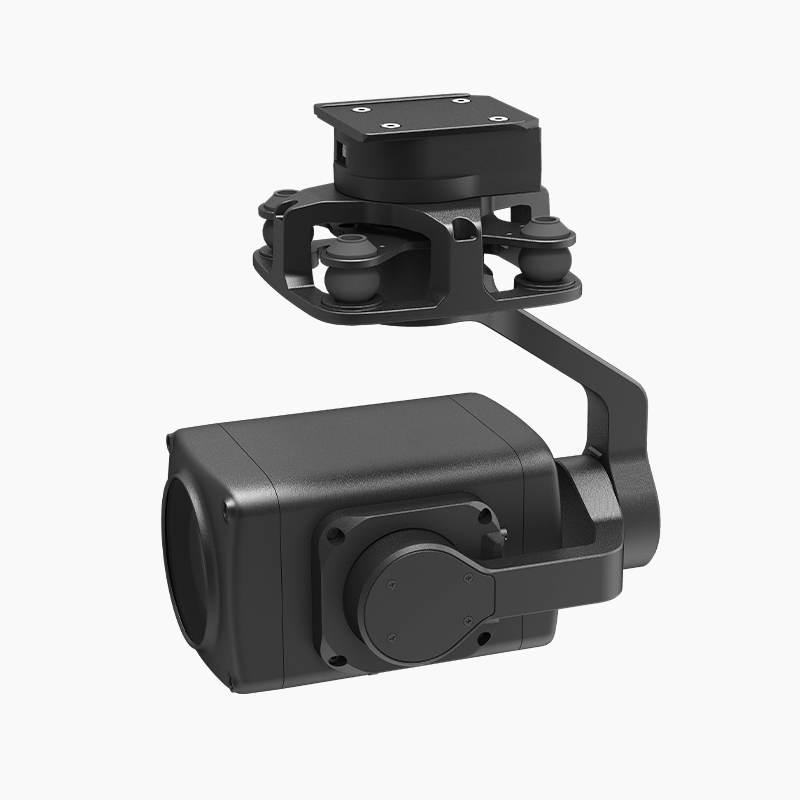
Pilotless craft are seeing remarkable improvements in camera capabilities. State-of-the-art gimbal designs now enable incredibly consistent footage, notwithstanding turbulent settings. Furthermore, the melding of thermal cameras offers unmatched opportunities for evaluation in fields like restoration, providing valuable information beyond what traditional light cameras can collect. These amalgamated technologies are considerably modifying the landscape of aerial photography.
Peering into the Gloom: UAV Devices with Thermal Vision & Balancing Mechanisms
The up-to-date landscape of unmanned aerial systems is being refined by advancements in camera proficiencies. Importantly, the combination of night vision configurations and sophisticated gimbal stabilization allows for unprecedented visibility during nighttime operations. These efficient cameras, often utilizing infrared technology, can explore darkness, providing crucial knowledge for guarding purposes. Also, the gimbal framework dependably minimizes noise, resulting in extraordinarily solid footage even in harsh conditions. Criteria like detail and tempo are progressively necessary for ideal operation.
- Enhanced Functional Knowledge
- Amplified Reach of Function
- Precise Material Accumulation
Pilotless Craft Camera Examination: Balanced, Heat Imaging, Close-Up & Evening Imaging
Selecting the appropriate autonomous craft camera constitutes a difficult choice. Weigh the multiple classes available: gimbal systems afford smooth, refined footage; infrared cameras achieve in dim conditions by identifying heat indications; magnifying lenses enable you to extend distant points; and gloomy vision tools utilize enhanced devices to get imagery in minimal light. The most suitable blend is subject to the targeted task.
That Next of Autonomous Imaging Platforms: Combining Infrared-Based & Dark Sensing
Typically, Remote-Controlled systems aimed on conventional light monitoring. Nevertheless, progressive uses in areas especially search & recovery compel expanded monitoring data. Incorporating thermal sensors alongside dark vision abilities delivers users a major asset, permitting pilots to identify targets masked from usual thermal camera light. That fusion drastically expands performance functionality across a broad field of uses.Steadiness Stability Amalgamates with Thermal Vision: A Revolutionary Era for UAV Imaging
The recent era of autonomous recording come, driven through such merging pairing high-tech suspension technology with sensitive temperature observation. The blend supports experts allowing them to capture clearer thermal information aboard aircraft, in spite of difficult atmospheric settings, exposing new opportunities within different domains among others examination, retrieval together with precision farming.
Unmanned Aerial Vehicle Camera Optical Enhancement Capabilities: Reconciling Range & Low-Light Vision
Advancements in Drone technology are constantly improving camera zoom capabilities, but a decisive challenge involves adjusting coverage and twilight observation. Extending such magnification to capture removed objects often limits luminosity sensitivity, causing clear dark vision arduous. Suppliers are considering new solutions, adopting advanced telephoto layouts and digital enhancements, to mitigate identified trade-off and present sharp imagery at multiple extents, even under weak brightness cases.
Deciding on your Preferred UAV Recording System: Mount, Heat-Sensing, & Telephoto Aspects
Whenever picking the UAV photography instrument, numerous key points need to be judged. Your consistent support is essential for seamless aerial cinematography , particularly in blustery situations. Thermographic imaging systems furnish important awareness for uses like scrutiny and search tasks. Finally, zoom functions support enhanced sightings of objects, despite the fact that higher variable focus generally results in weakened representation clarity and needs more radiance.
{Night Vision UAV Cameras: Refined Safety with Balancing Reinforcement
Contemporary remote-controlled flyers are revolutionizing security missions with the use of night vision systems. Essentially, mount aid delivers exceptional firmness for the photography setup, allowing clear video even in hard conditions or during piloting. This aspect considerably boosts security functionality and furnishes a critical benefit for security personnel and additional firms requiring stable nighttime inspection.
Modern UAV Camera Platforms: Merging Variable Temperature & Twilight Perception
Modern remote-controlled systems are frequently equipped with top-tier camera platforms that outstrip basic detection. These novel solutions usually integrate a mix of versatile technologies, including variable focal capabilities for precise inspection, infrared imaging to identify heat traces, and low-light vision capabilities to allow operation in difficult lighting conditions. This synergy provides pilots with a key lead in several areas, from emergency response to facility evaluation and area observation.