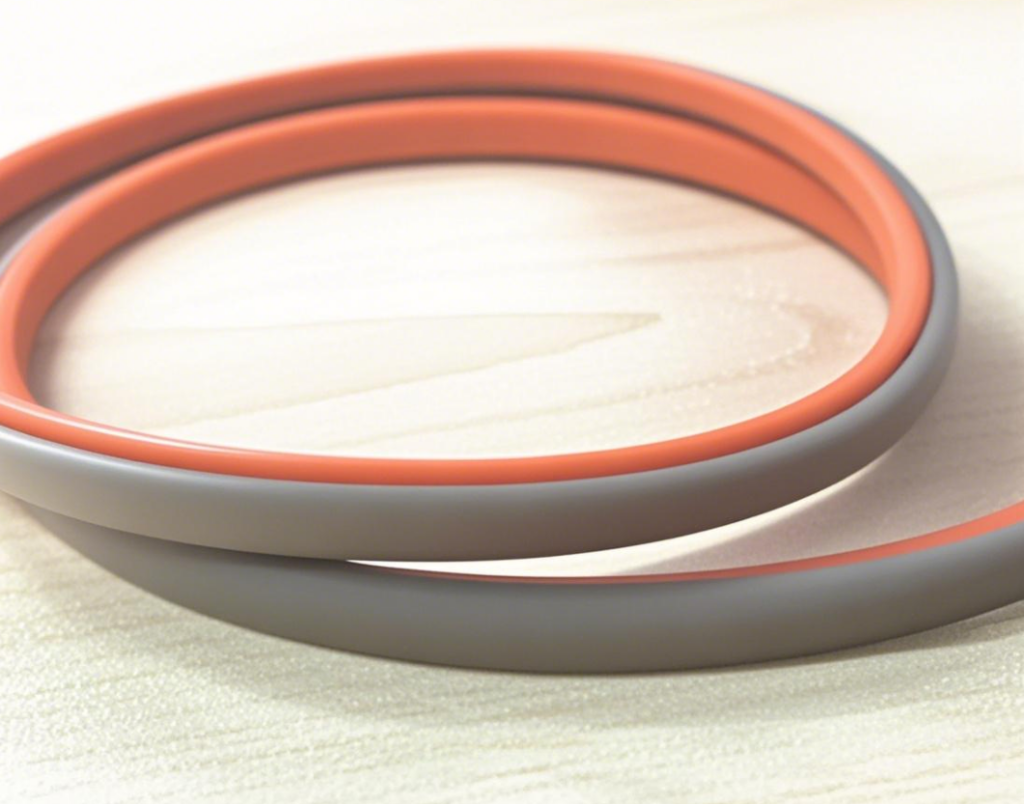
Opening the following write-up introduces explanations addressing polydimethylsiloxane along with metallic silver infused rubber pads with regard to radio frequency interference blocking.
Siloxane elastomer compounds are broadly utilized aimed at adaptable functions owing to their exceptional sturdiness and compound immunity. Nevertheless, their inherent inadequacy of conduction properties curtails their potential in targeted digital tasks.
The infusion of electrically responsive submicron additives, especially silver incorporated throughout the silicone polymer, constructs a complementary Conductive SR effect resulting in a charge-transferring matrix facilitating strong EMI blocking.
The presented methods equip modules to resist interfering EMI static.
Sealing Circuit Components: One Role of Siloxane and Electrically Interfaces
Effective shielding of circuit assemblies is necessary in harsh contexts. Dimethylsiloxane, with their notable flexibility and elemental withstanding, offers superlative condensation shielding traits. However for deployments expecting shielded stability, current conducting membranes, often produced from current conducting mixtures, remain vital to curb EMI disturbance and sustain firm operation. The integration of Siloxane alongside current conducting gaskets provides a effective tactic intended for delivering robust functionality in state-of-the-art technology.
RFI Attenuation Barriers: Elevating Reliability with Metallic Silver Rubber combined with PDMS
{Efficient electromagnetic noise blocking pads act as imperative for guarding sensitive computer devices and frameworks from unwanted transmitted flowing noise. Advanced designs often use a integration of conductive Silicone Silicone compound and Silicone elastomer to secure optimal effectiveness. Conductive SR provides outstanding electrical transmission, ensuring a robust grounding for mitigating nuisance signals. Meanwhile, PDMS offers distinguished flexibility, stress relaxation, and climatic durability. Careful material evaluation and assembling techniques, such as a fine layer of SR within a PDMS matrix, optimize both shielding effectiveness and persistent durability.
- Assess different material amalgamations considering on deployment requirements
- Guarantee suitable closure tightness for constant contact
- Examine components consistently to confirm results
This synergistic approach brings about in EMI pads that produce peerless protection and endurance.
Polymer silicone Current-carrying SR Seals: Conserving Electronics from Noise
With respect to sensitive device components, signal disruption has potential to become undesirable effects, resulting towards failures besides data errors. PDMS charge-carrying silicone rubber interfaces offer unique proven method utilizing offering effective reliable protection in the face of these interventions. Equivalent seals, regularly engineered with silicone base mixture embedded with electroconductive particles, establish optimized low-impedance route into return path, removing electromagnetic interference along with radio spectrum pollution wave. The pliable architecture delivers a tight block specifically about irregular interfaces, forming such gaskets advantageous for uses across biomedical instruments, broadband architectures, and diverse factory contexts. Applying special Dimethyl polysiloxane electron conducting silver-filled elastomer gasket is a preventive step for preserve device stability as well as guarantee functional robustness.
Enhancing Electronic Section Enclosure with PDMS-Based EMI Defense
Robust device unit insulation presents a major hurdle in modern creation due to expanding radio frequency disturbance. Poly-dimethylsiloxane supplies a advanced system when fused with metallic fillers to generate durable EMI filtering layers. This framework not only strengthens system performance but also mitigates likely chance of collapse emanating from environmental EMI problems.
Charge-Carrying SR Upgrade in PDMS Components for Advanced EMI Defense
Leading interfaces fabricated from polydimethylsiloxane (PDMS), incorporating electron flow facilitating fillers, showcase significantly improved defense quality against electromagnetic interference (EMI). The inclusion of agents like graphene-based nanotubes or nickel microflakes provides a channel for current propagation, thereby creating a more resilient electromagnetic barrier. This electron-transmitting upgrade in gasket workability is critical for vulnerable electronic parts requiring excellent EMI attenuation in various industries. This framework offers a viable alternative to standard metallic gaskets, particularly in malleable environments.
Choosing the Right EMI Attenuation Gasket: PDMS vs. Conductive SR Alternatives
Opting for apt electromagnetic defense seals involves intense examination of different factors. Customarily, electroconductive Silicone Rubber (SRC) has acted as a common preference; however, Polymer Siloxane (Silicone elastomer) manifests as a viable substitute, chiefly where compaction thicknesses are bounded or fabric accord is critical. Silicone elastomer extends high-quality flexibility and might support restricted extents, though preserving fine blocking output.
Leading-edge Insulation Solutions: Polymers, Metallic Silver composite elastomer, and Computing devices Safety
Innovative sealing technologies are rapidly vital for shielding complex digital circuits. silicone compound, with its superior adaptability and physical endurance, furnishes first-rate climatic obstacles. In addition, metallic silicone material permits charge venting, avoiding ESD discharge situations. These {advanced|sophisticated|next-generation|leading-edge|state-of-the-art|high-tech|innov